

In today’s digital age, the ability to store and retrieve data efficiently is paramount. External hard drives have become indispensable tools for both personal and professional use, especially when considering options for data recovery singapore. This article explores the evolution of external hard drives, their significance in data recovery, and the various types available.
Introduction to External Hard Drives
Overview of Data Storage Evolution
The evolution of data storage has dramatically transformed how we manage and access information. From bulky magnetic tapes to the compact external hard drive and increasingly popular SSDs, technological advancements have led to greater storage capacities and faster access times. These changes have significantly impacted the landscape of data recovery, offering diverse recovery solutions for different types of data.
Importance of External Hard Drives in Data Recovery
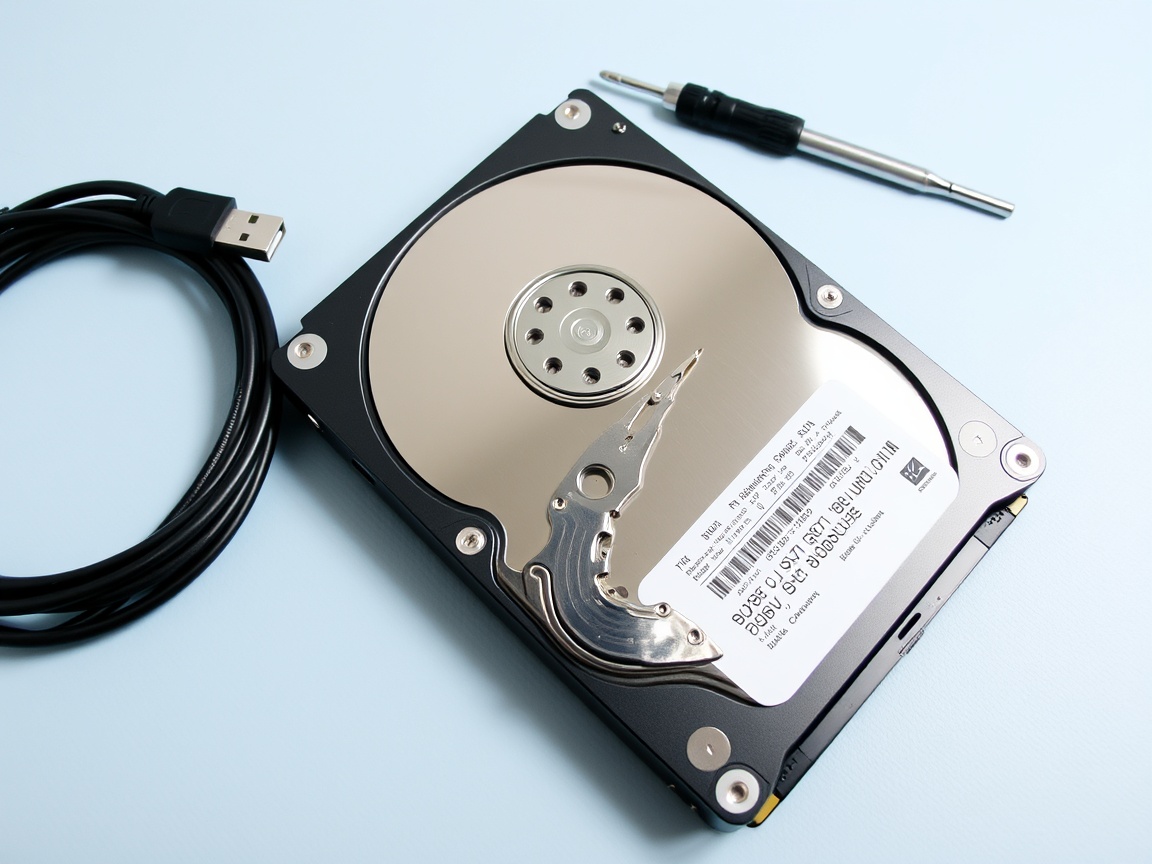
External hard drives play a crucial role in data recovery, providing a means to back up and secure important information. In data loss situations, these drives can be a lifesaver, offering a readily available copy of lost data and facilitating the recovery of data. Data recovery singapore, data recovery service singapore, and professional data recovery centre services often rely heavily on external hard drives for both backup and as a source for professional data recovery and the overall data recovery process.
External Hard Drives vs. Internal Drives
While both serve the purpose of data storage, external hard drives differ significantly from internal drives. Internal drives are integrated within a computer, while external hard drives offer portability and ease of use for quick file recovery. When it comes to data recovery, external drives can be more easily accessed by a data recovery service centre in singapore or a local data recovery service, facilitating the data recovery process, external drive recovery, and fast data recovery solutions.
Types of External Hard Drives
Traditional Hard Disk Drives (HDD)
Traditional hard disk drives (HDD) have been the backbone of data storage for decades, often found onboard older systems. They store data on spinning magnetic platters, accessed by a moving read/write head, which can be problematic during recovery of data. While they offer high storage capacities at a relatively low cost, they are more susceptible to physical damage and slower access times, which can complicate the server data recovery process, HDD data recovery, and hard disk recovery efforts. data recovery process, if you need data recovery from your hard disk, consult a specialist in HDD data recovery or a trusted data recovery centre.
Solid State Drives (SSD)
Solid state drives (SSD) represent a more modern approach to data storage, utilizing flash memory to store data, making them a popular choice for SSD RAID NAS server setups and high-performance storage. Unlike HDDs, SSDs have no moving parts, making them faster, more durable, and more energy-efficient. However, SSD data recovery can present unique challenges, often requiring specialized tools and expertise available at a leading data recovery centre to successfully recover data. For complex cases such as SSD firmware failure or NAND chip recovery, seek an experienced SSD data recovery service or SSD recovery specialist.
Network Attached Storage (NAS)
Network Attached Storage (NAS) devices offer a centralized data storage solution accessible over a network. Often configured with RAID server arrays, NAS devices provide redundancy and enhanced data protection. If there’s a need data recovery from a NAS drive, it typically requires a professional data recovery service experienced in RAID configurations to ensure successful recovery. RAID data recovery, NAS recovery, and RAID server data recovery are specialized services offered by many data recovery centres and Singapore data recovery facility providers.
Data Loss Scenarios
Common Causes of Data Loss
Data loss can occur due to various reasons, ranging from physical damage to logical errors. Several common issues can lead to data loss, including:
- Accidental deletion, formatting errors, and file corruption that necessitate file recovery and data recovery solutions.
- Hardware failures in a hard disk or SSD, power surges, and malware infections may necessitate the expertise of a Singapore data recovery facility, professional data recovery service, or a certified data recovery centre.
Understanding these common causes is crucial for implementing effective data recovery strategies and preventing future incidents. If you encounter a data loss situation, immediately seek a professional data recovery service, a trusted data recovery centre, or a certified data recovery service provider for comprehensive data recovery, emergency data recovery, and secure data retrieval.
Impact of RAID Configurations on Data Recovery
RAID configurations are designed to provide data redundancy and improve performance, but they also impact data recovery in unique ways. While RAID systems can protect against single drive failures, more complex failures or configuration errors can lead to significant data loss. NAS devices, often utilizing RAID server arrays, require specialized data recovery techniques when a failure occurs. Successful recovery from RAID systems typically requires expertise from a data recovery centre experienced in these configurations, especially for server data recovery.
Understanding Business Data Loss
Business data loss can have severe consequences, including financial losses, reputational damage, and legal liabilities. Understanding the types of data most vulnerable and the common scenarios leading to data loss is essential for developing robust data protection strategies. Implementing regular backups, disaster recovery plans, and employee training can mitigate the risk of data loss situations. Partnering with a reliable data recovery service in Singapore can provide peace of mind and ensure business continuity in the event of data loss.
Data Recovery Process
Steps in Professional Data Recovery
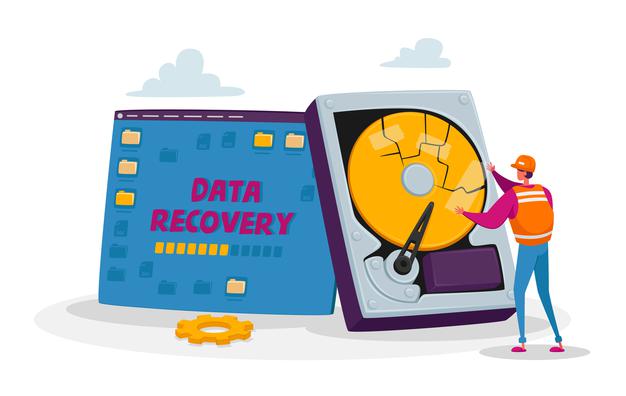
The data recovery process typically involves several key steps. These steps often include soldering components for repairs.
- A free evaluation to diagnose the cause and extent of the data loss.
- Repairing any physical damage to the hard drive or SSD is crucial for successful file recovery.
- Cloning the drive data to prevent further data loss.
- Using specialized software and techniques to recover the data and files.
Role of Recovery Specialists
Recovery specialists play a critical role in the data recovery process. These experts possess the knowledge, skills, and specialized tools necessary to recover data from a wide range of storage devices, including hard disks, SSDs, thumb drives, and RAID systems. They can navigate complex data loss scenarios and employ advanced techniques to recover your data. Singapore’s leading data recovery centre employs highly trained recovery engineers to ensure the highest success rates for data recovery needs.
Data Recovery Solutions for Different Scenarios
Data recovery solutions vary depending on the type of data loss and the storage device involved. For hard drive failures, physical repairs or data recovery from a damaged hard disk may be necessary. SSD data recovery requires different approaches due to the nature of flash memory. In cases of logical errors or file corruption, specialized data recovery software can be used to recover the data. Professional data recovery services offer tailored solutions to address a wide range of data recovery scenarios, ensuring the best possible outcome to recover the data.
Data Recovery Services in Singapore

Overview of Data Recovery Services
Data recovery services in Singapore offer a range of solutions to help individuals and businesses recover lost data from various storage devices. These services are essential for addressing data loss situations, whether caused by physical damage, logical errors, or file corruption. Professional data recovery centers employ skilled recovery engineers who use specialized tools and techniques to recover files from hard drives, SSDs, NAS devices, and other storage media. If you encounter data loss, the first step is to immediately seek professional help.
Choosing the Right Data Recovery Service
Selecting the right data recovery service is crucial for successful recovery of lost data. When making your choice, be sure to consider factors such as:
- The service center’s experience.
- Success rates and expertise with different types of data storage devices.
Look for a reputable data recovery centre in Singapore that offers a free evaluation to assess the extent of the data loss. Also, ensure the service provides transparent pricing and secure data handling practices to protect your privacy. Getting a detailed diagnostic at a data recovery facility is very important.
Cost Considerations for Data Recovery in Singapore
The cost of data recovery services in Singapore can vary depending on the complexity of the data loss scenario and the type of storage device involved. Simple logical errors may be resolved at a lower cost compared to physical damage requiring component-level repairs. Data recovery from RAID server arrays or SSDs can also be more expensive due to the specialized expertise and tools required for the recovery of data. It’s important to obtain a clear cost estimate from the data recovery service before proceeding with the recovery process to avoid unexpected expenses related to file recovery.
Future Developments in Data Recovery
Emerging Technologies in Data Recovery
The field of data recovery is continuously evolving with the emergence of new technologies. Advances in flash memory, RAID configurations, and data storage methods are driving the need for innovative data recovery techniques. Recovery engineers are constantly adapting to these changes, developing new tools and methods to recover data from increasingly complex storage devices. The use of artificial intelligence and machine learning may also play a greater role in future data recovery solutions, enhancing the efficiency and accuracy of the recovery process.
Trends in Secure Data Recovery
As data privacy and security become increasingly important, secure data recovery practices are gaining prominence. Data recovery services are implementing stricter protocols to protect sensitive data during the recovery process. This includes secure data handling, encryption, and compliance with data protection regulations. Ensuring data confidentiality and integrity is a top priority for professional data recovery services, giving clients peace of mind that their data is in safe hands. Secure data recovery is a must.
Preparing for Future Data Loss Challenges
To prepare for future data loss challenges, individuals and businesses should implement proactive data protection strategies. This includes regular backups, disaster recovery plans, and employee training on data security best practices. Investing in reliable data storage solutions and monitoring systems can also help prevent data loss incidents. Staying informed about emerging threats and vulnerabilities is crucial for mitigating risks and ensuring business continuity in the face of evolving data loss scenarios. A good plan will help to recover your data faster.