

Is Refurbished Better Than Used: Comprehensive Comparison | myhalo
When considering used tech and used electronics, many shoppers ask what’s the difference between refurbished or used devices and whether it’s better to buy one over the other. This guide compares refurbished vs used across categories like laptops and smartphones, helping you weigh warranty coverage, return policy terms, cosmetic condition, and lower price so you can decide if opting for refurbished offers better value than a typical used product, a refurbished laptop often has a lower risk of hidden faults.
Understanding Refurbished and Used Devices
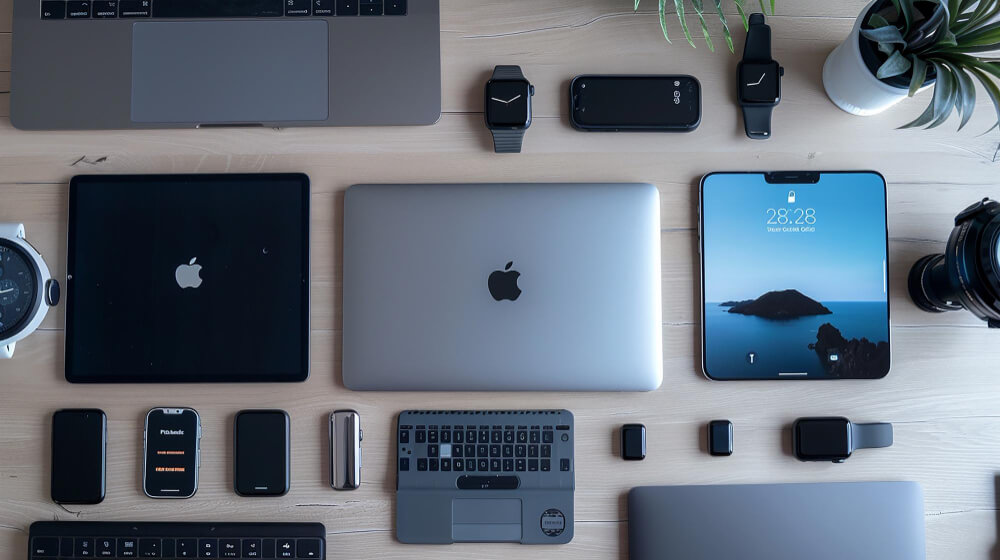
Before you buy refurbished or buy used, it’s crucial to understand the difference between refurbished electronics and used items. A refurbished device is restored through professional repair and inspection, often sold like new with a warranty. A used device is a pre-owned, “as-is” used item from a previous owner. Knowing the difference clarifies risks, seller responsibilities, and total cost of ownership.
Definition of Refurbished Devices
A refurbished device, sometimes called a refurbished product or refurbished one, is a pre-owned unit returned to a seller or manufacturer, then tested, repaired, and cleaned to meet high-quality standards. Cosmetic flaws are graded and usually minimized, parts may be replaced, and software reset like a new device. Many refurbished items include a warranty and a clear return policy to ensure better condition.
Definition of Used Devices
A used device, also described as a used product or used item, is typically sold “as-is” by a previous owner or third-party seller with no refurbish process. A used phone or laptop may have visible cosmetic wear, uncertain repair history, and limited assurances. Warranties are rare, return policy terms vary, and performance can differ widely compared with refurbished and used units processed by professionals.
Key Differences Between Refurbished and Used
The key difference between refurbished and used centers on testing, repair, and guarantees. Refurbished items undergo diagnostics, parts replacement, and cleaning, often arriving like new with a warranty and structured return policy. Used or refurbished prices may overlap, but a refurbished mobile phone often comes with a warranty. refurbished usually yields better condition and reliability. For smartphones and laptops, buying a refurbished phone generally offers better value than a used phone sold “as-is,” especially when seller quality is verified.
Buying a Refurbished Phone
Buying a refurbished phone appeals to shoppers comparing refurbished vs used because it blends lower price with a high-quality process. A refurbished device is a pre-owned unit that specialists refurbish through testing and repair, often restoring cosmetic condition to like new standards. When you buy refurbished, the seller typically includes a warranty and a clear return policy, making it better to buy for reliability than an “as-is” used product.
Benefits of Buying Refurbished
The biggest benefits of buying a refurbished phone include verified repair, grading, and a warranty that reduces risk compared with a used device. Refurbished items are inspected, reset like a new device, and often bundled with a return policy that protects your purchase. Choosing refurbished can deliver better condition and better value than a used phone, especially when the seller is reputable and the refurbished product meets high-quality standards.
What to Expect When Buying a Refurbished Phone
When buying a refurbished phone, expect transparent grading of cosmetic marks, proof of diagnostics, and documentation of any repair or parts replaced. A trusted seller will explain the difference between refurbished and used, provide accessories compatible with smartphones, and ensure the device feels like a brand new phone on setup. You should also see clear terms for support, return windows, and warranty length.
| Expectation | Details |
|---|---|
| Condition and testing | Transparent grading, proof of diagnostics, documentation of repairs or parts replaced |
| Seller assurances are crucial when purchasing refurbished mobile phones. | Explanation of refurbished vs. used, compatible accessories, like-new setup experience |
| Policies | Clear terms for support, return windows, and warranty length |
Warranties and Guarantees for Refurbished Devices
Refurbished or used devices differ sharply in coverage: a refurbished device commonly includes a warranty and satisfaction guarantee, while a used item is frequently sold “as-is”. Look for a refurbish program that specifies claim procedures, coverage for battery and screen repair, and turnaround times. Strong guarantees signal high-quality standards and safer buying, especially for laptops and smartphones needing dependable support.
Buying a Used Phone
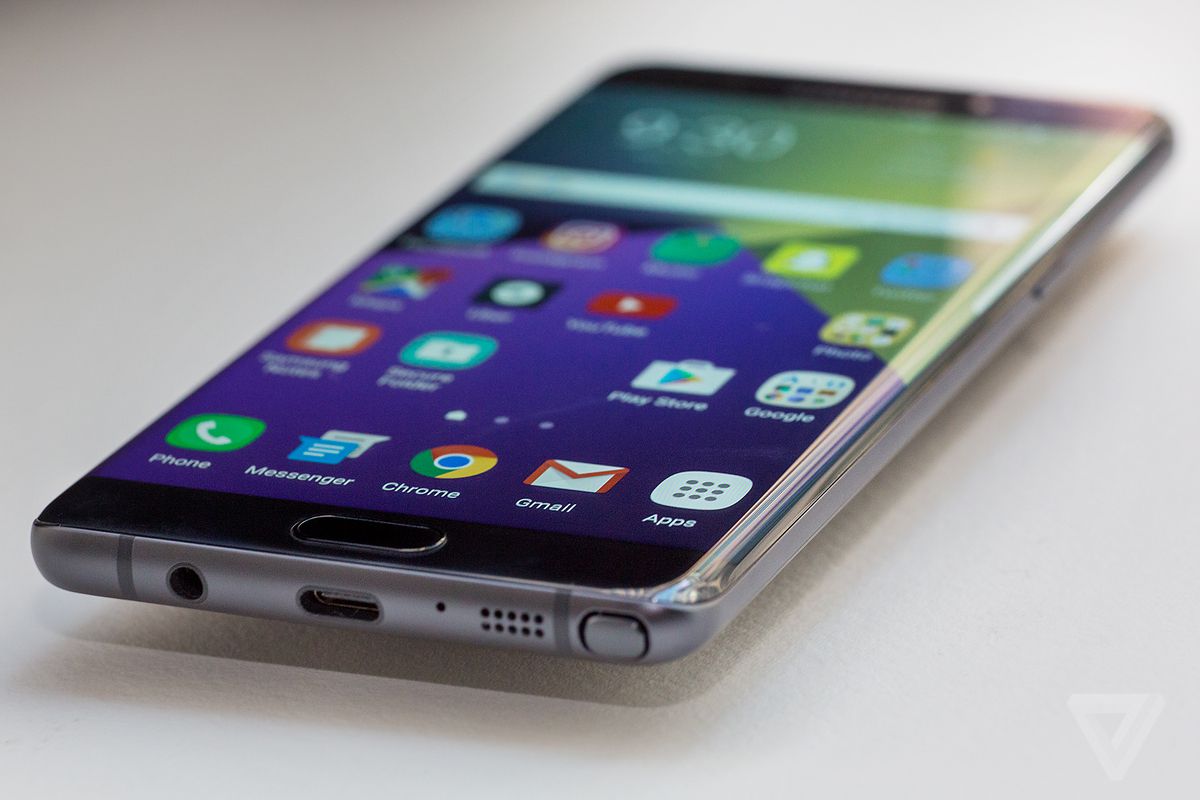
Buying a used phone from a previous owner can offer a lower price, but the difference between used and refurbished becomes clear in risk and support. A used product is typically an “as-is” used device without standardized repair or testing. While used electronics can be bargains, refurbished electronics often offer better peace of mind. confirm the seller’s history, return policy, and proof of functionality before you buy used, since refurbished and used routes provide very different protections.
Pros and Cons of Buying Used
Buying used offers the lowest upfront cost, a wide choice of used tech, and quick availability from local sellers. However, there can be uncertain cosmetic wear, hidden faults, and often no warranty or reliable repair pathway. Compared with refurbished or used options from certified channels, a used phone may need immediate fixes. Always ask about differences in support and verify the real total cost before deciding it’s better to buy used.
| Aspect | Details |
|---|---|
| Pros |
|
| Cons |
|
Tip: Compare support differences with certified refurbished channels and calculate the total cost, including any immediate fixes, before choosing a used phone.
What to Look for in a Used Device

When you buy a used device, inspect cosmetic condition, battery health, and screen integrity, and test cameras, speakers, and connectivity on smartphones. Verify IMEI status, storage, and any prior repair to avoid surprises. Request proof of purchase from the previous owner and check the return policy if buying a refurbished mobile phone online. Comparing used and refurbished phones, ensure the used item’s lower price justifies the absence of a warranty and like new refurbishment is often guaranteed with a reputable refurbisher.
| Check for refurbished electronics to ensure quality. | Details |
|---|---|
| Device condition and function | Cosmetic condition, battery health, screen integrity, cameras, speakers, connectivity |
| Verification and purchase proof are essential when buying refurbished electronics. | IMEI status, storage, prior repairs, proof of purchase, online return policy |
| Used vs. refurbished | Confirm the lower price of a used phone justifies no warranty and no like-new refurbishment |
Understanding the Risks of Buying Used Electronics
Used electronics carry risks: undisclosed damage, counterfeit parts, and account or network locks. Without a warranty, any failure turns into out-of-pocket costs, unlike a refurbished laptop that includes coverage. The difference between refurbished and used is crucial—refurbished items undergo diagnostics and quality checks. If you buy a used phone, vet the seller carefully and confirm credentials, and weigh whether choosing refurbished offers better value and protection.
Refurbished vs Used: A Detailed Comparison
Comparing refurbished vs used begins with recognizing how sellers refurbish a pre-owned unit through structured repair, testing, and grading, while a used device is typically sold “as-is” by a previous owner. The difference between refurbished and used drives price, warranty, and return policy outcomes. Refurbished items aim for like new function and better condition, whereas a used product may have cosmetic wear and uncertain service history, affecting smartphones and laptop choices.
Cost Analysis: Refurbished vs Used
In pure price, a used item often shows the lowest lower price, but total cost often favors refurbished when factoring repair risk and warranty coverage. Buying a refurbished phone or laptop typically includes support that reduces future out-of-pocket costs, unlike buy a used routes. While used or refurbished listings can overlap, choosing refurbished adds predictable value via quality checks and a protective return policy.
Performance and Quality Considerations
A refurbished device is tested to perform like a new device, with diagnostics, battery health checks, and part-level repair to fix issues that plague used electronics. The difference between used and refurbished is most obvious in stability: refurbished items tend to have consistent performance across smartphones and used and refurbished phones categories. A used device may have cosmetic flaws and degraded components, while certified channels ensure high-quality standards and better condition.
Longevity and Reliability of Refurbished vs Used
Longevity often improves when you buy refurbished because defects are identified during refurbish workflows and corrected with repair and replacement parts. A warranty further supports reliability, especially for a refurbished phone or laptop used daily. In contrast, a used product sold “as-is” may hide wear that shortens lifespan. The difference between refurbished and used thus translates into fewer failures, steadier battery life, and reduced downtime, providing better value over months of regular use.
Final Considerations: Which is Better to Buy?

It’s usually better to buy refurbished when you want like new performance, a clear return policy, and warranty-backed assurance. Opting for refurbished reduces uncertainty common with a used device from a previous owner. However, if budget dictates the lowest possible lower price and risk is acceptable, you can buy used after due diligence. Understanding the difference empowers smarter choices across used tech and smartphones, balancing cost, condition, and support.
Choosing Refurbished or Used Based on Your Needs
If you prioritize reliability, buying a refurbished phone or laptop from a reputable seller is ideal, thanks to standardized testing, cosmetic grading, and warranty. Power users, remote workers, and students benefit from refurbished or used devices that are restored to like new function. If you’re experimenting with a backup used phone or a short-term device, buy a used option may suffice, provided you verify condition, confirm functionality, and weigh repair costs.
Future Trends in Refurbished and Used Electronics
Growth in used and refurbished markets is accelerating as manufacturers expand refurbish programs, enhance diagnostics, and extend warranty options. Expect clearer grading, better battery standards, and improved traceability from seller to previous owner. With sustainability goals rising, refurbished and used channels will offer broader models, delivering better value through quality assurance, software updates, and streamlined returns.
Conclusion: Making the Right Choice
The difference between refurbished vs used centers on risk, support, and long-term cost. Buying a refurbished delivers high-quality testing, repair, and warranty for dependable performance, often like a new device. A used product offers a lower price but demands careful checks and acceptance of “as-is” uncertainty. Whether you buy refurbished or buy used, compare sellers, confirm coverage, and align features with needs to secure better condition and durable value in refurbished electronics.