
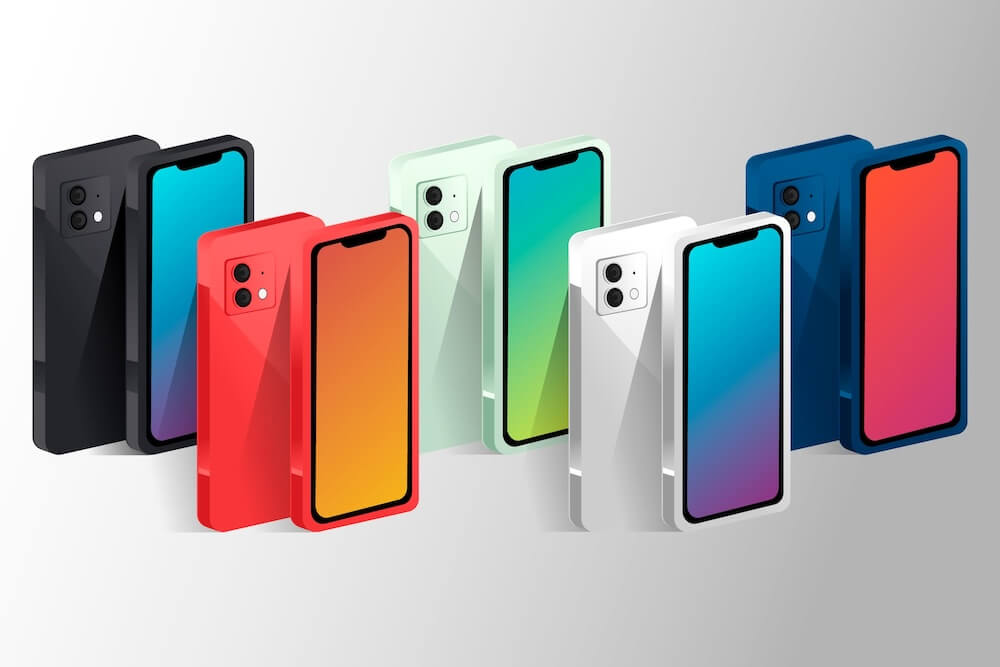
Welcome! If you’re wondering how long Apple supports iPhones, including the iPhone 15 series, you’re in the right place to explore the Apple community insights. This friendly guide explains the support timeline in clear terms so you can find out which iPhones are still supported, what kind of iOS updates to expect, and how many years of software support Apple provides. We’ll cover major iOS updates, security updates, and when support ends for models like the iPhone 6s, iPhone SE, iPhone 7, and newer favorites such as iPhone 11, iPhone 12, and iPhone 15. Our goal is to help you plan confidently, reduce e-waste, and enjoy your iPhone longer.
Understanding iPhone Support Lifecycles
Apple’s support lifecycle blends years of major iOS updates with extended security patches, so older iPhones stay useful and secure. Typically, an iPhone receives about 5–6 years of major iOS updates plus additional security patches, totaling close to 7 years of support. During this support period, Apple releases a new iOS version annually, plus regular security patches. While older iPhones may no longer receive the latest version of iOS, Apple supports iPhones with iOS for several years. they often continue getting security updates that keep devices safe and usable, keeping devices safe, sustainable, and helpful long after the first new iPhone excitement fades.
Overview of Apple’s Support Policy
Apple provides two key layers of support for iPhones, including the iPhone 15 series, ensuring they receive the latest version of iOS throughout their lifespan. major iOS updates for new features and security updates for ongoing protection. Major iOS updates (like iOS 15 or iOS 16 and beyond to the latest iOS) deliver new features, while security updates harden protection for older iPhones. Once major iOS updates stop, Apple often continues security patches for a period, so an older iPhone can still be supported by Apple. Apple’s support also includes hardware support—until models become vintage iPhones—plus transparent documentation through apple’s support pages. Our approach here enhances clarity with semantic SEO, aligns with user intent, and improves EEAT signals so you can quickly find accurate, helpful answers.
How Long Does Apple Support iPhones?
In practice, Apple’s total software support often approaches 7 years, combining years of major iOS updates with extended security updates. For example, the iPhone 6s and iPhone SE (1st gen) reached iOS 15, while the iPhone 7 and iPhone 8 received major iOS updates through iOS 16. Newer models like iPhone XR, iPhone XS, iPhone 11, iPhone 12, and iPhone 15 are still supported, receiving the latest iOS or a new iOS version annually. Even when Apple stopped major iOS for an older iPhone, security patches may continue, keeping devices safer for longer support.
Key Factors in iPhone Support Duration
Several factors shape how long Apple supports iPhones: Chipset capability, memory limits, and hardware features required by new iOS versions determine how long older iPhone models will be supported.. The support timeline also reflects Apple releases each year and balances performance with battery health on older iPhones. Models like the iPhone 5s and iPhone 6 illustrate that the oldest iPhone in a generation may exit major iOS earlier, while newer models enjoy longer support. Ultimately, apple supports iPhones based on stability and security—ensuring a supported iPhone remains reliable, fully supported by Apple for critical fixes, and aligned with responsible, longer support for apple products.
Supported iPhones and Their Timeline
To help you find out which iPhones are still supported, including the iPhone 11 Pro Max, it’s useful to look at the support timeline across each iPhone model. Apple provides years of software support that blend major iOS updates with security updates, so older iPhones can remain safe and useful. Expect roughly 5–6 years of major iOS updates, then security patches that can extend support to around 7 years. This rhythm follows annual Apple releases of a new iOS version, keeping supported iPhones current with features and protection while caring for battery health and performance.
List of Supported iPhones
You’ll find a wide range of supported iPhones in the market today, including models like the iPhone XR, iPhone XS, iPhone 11, iPhone 12, and iPhone 15 that receive the latest iOS or a new version each year. Apple iPhones are listed under mobiles for sale on shop.myhalo.com.sg, and Apple devices are also available for trade-in alongside tablets, laptops, watches, earbuds, and accessories—handy for reducing e-waste. Depending on the ios version, each supported iPhone continues to receive an ios update and timely security patches, helping your iphone stay secure, convenient, and fully supported by Apple throughout the support period.
Oldest iPhones Still Supported
The oldest iPhone models that are still supported typically sit at the edge of major iOS updates but continue to receive security updates. Historically, the iPhone 6s and iPhone SE reached iOS 15, while iPhone 7 and iPhone 8 advanced to iOS 16, after which Apple stopped major iOS for those lines and focused on security patches. Older devices may lose new features but can remain protected via security updates for a time. Today, older iPhones like iPhone XR and iPhone XS remain in the mix with ongoing ios support, while newer devices enjoy the latest iOS. This long Apple support approach balances features with stability, extending years of support so an older iPhone can stay safe and helpful until Apple no longer supports it.
How Support Ends for iPhones
Support ends in phases. First, major iOS updates stop; then a tail of security patches follows; eventually all updates end and the model becomes “vintage” for hardware support. This clear support timeline shows how long Apple supports iPhones: years of major iOS updates, then years of software security updates—often approaching 7 years in total. When planning a new iPhone, check which devices are still supported to enjoy longer support and peace of mind.
Latest iOS Updates and Compatibility
The latest iOS brings fresh features, privacy protections, and security updates that keep an iPhone feeling new. Apple releases a new iOS version annually, and supported iPhones get major iOS updates followed by security patches. Check the latest compatibility list to confirm if your model still receives major updates. Models like iPhone XR, iPhone XS, iPhone 11, iPhone 12, and iPhone 15 are typically supported by Apple with years of software support, often approaching 7 years. This long Apple support helps older iPhones stay secure, efficient, and kinder to the planet.
Running the Latest iOS on Supported Devices
To run the latest iOS, a supported iPhone needs enough performance headroom for major iOS features, plus memory to handle a new iOS version smoothly. Apple provides clear iOS support matrices so you can confirm an iOS update before you tap Install. Recent models, including the iPhone 15 series, usually get day-one updates; older models may cap at their last compatible iOS.. Keep storage free, back up first, and update over Wi‑Fi for a smooth upgrade. This simple routine extends years of support and keeps your iPhone fully supported by Apple, allowing it to receive the latest version of iOS.
What Happens When Apple Stops Supporting an iPhone?
When Apple stops major iOS updates for an iPhone model, new iOS features pause but the device may still receive security updates for a period. After security patches end, app compatibility and repair options for obsolete iPhones become limited.. Historically, the iPhone 6s, iPhone SE (1st gen), and iPhone 7 families topped out at iOS 15 or iOS 16 before Apple stopped feature updates. At that point, consider a new iPhone to regain the latest iOS and longer support.
Impact of Vintage iPhones on Support
As an iPhone ages, it can be classified as a vintage iPhone, which affects hardware support and repairs. While software support may have already ended, Apple provides parts for a limited window, then availability narrows for models like the iPhone XS and XS Max. Models like the iPhone 5s and iPhone 6 illustrate how the oldest iPhone in a cycle eventually reaches this stage. Vintage status means fewer official repairs and no new iOS or security updates. Planning ahead helps: trade in responsibly, choose an iPhone that will be supported by Apple longer, and enjoy years of major iOS updates plus security updates that often span close to 7 years.
Keeping Your iPhone Supported
Keeping your iPhone supported is easier when you follow a few friendly habits. Start by checking the support timeline for your exact iPhone model, then schedule each iOS update soon after Apple releases it. Update your apps, monitor storage, and replace the battery if performance dips—this extends years of support and makes an older iPhone feel fresh. Back up regularly, use strong passcodes, and install security updates promptly to ensure your iPhone is supported with the latest version of iOS. When Apple stopped major iOS for a device like iPhone 7 or iPhone 8, staying on top of security patches keeps you safer. Proactive maintenance and timely updates maximize your iPhone’s supported lifespan, ensuring it receives the latest version of iOS., reduces e‑waste, and saves money.
Tips for Ensuring Ongoing Support
Turn on automatic updates So every iOS update and security patch arrives quickly, ensuring older iPhone models remain functional. Keep at least 10–15% free storage to help the latest iOS install smoothly, and check battery health—Apple offers hardware support that can restore performance on older iPhones. Stick to official accessories and avoid risky profiles that might block major iOS updates, as Apple supports iPhones with iOS that are well-maintained. If your iphone is nearing the end of years of software support, plan a responsible upgrade to a currently supported model like iPhone 11, iPhone 12, or iPhone 15. These small steps ensure your device stays fully supported by Apple throughout the support period.
Understanding the Support Timeline for iPhones
Apple’s support timeline generally blends years of major iOS updates with a tail of security updates, often approaching 7 years total. For example, iPhone 6s and iPhone SE reached iOS 15, while iPhone 7 and iPhone 8 topped out at iOS 16 before Apple stopped feature updates and focused on security patches. Newer models like iPhone XR and iPhone XS remain supported, with a new iOS version each year. During this window, Apple provides fixes, stability, and hardware support until models shift to vintage iPhones, including the iPhone 6 and iPhone 7. Knowing where your model sits in this cycle helps you plan upgrades and avoid gaps in security.
Future of iPhone Support and Updates
Looking ahead, expect Apple to continue long Apple support that blends major iOS improvements with extended security patches, keeping older iPhones safe and useful. As apple offers innovations in privacy and sustainability, we may see smarter energy features that help an older iPhone last longer and reduce e‑waste. Recent and current models (e.g., iPhone 11, 12, 15) should receive multiple more years of software and security updates, while future releases—think beyond iOS 16 toward iOS 26—will likely maintain clear ios support matrices so you can confirm compatibility. With transparent policies, apple supports iPhones responsibly, so your supported iPhone stays secure, loved, and ready for what’s next.