
When you buy a phone, few of the first accessories you’re offered are Screen Protectors. But here’s the real question:
Do screen protectors actually protect your screen from cracking, or are they mainly useful against scratches?
Let’s break it down in simple terms—using real material science (Mohs and Vickers hardness), real-world examples, and a practical guide to which protector is right for you.
What Screen Protectors Actually Do
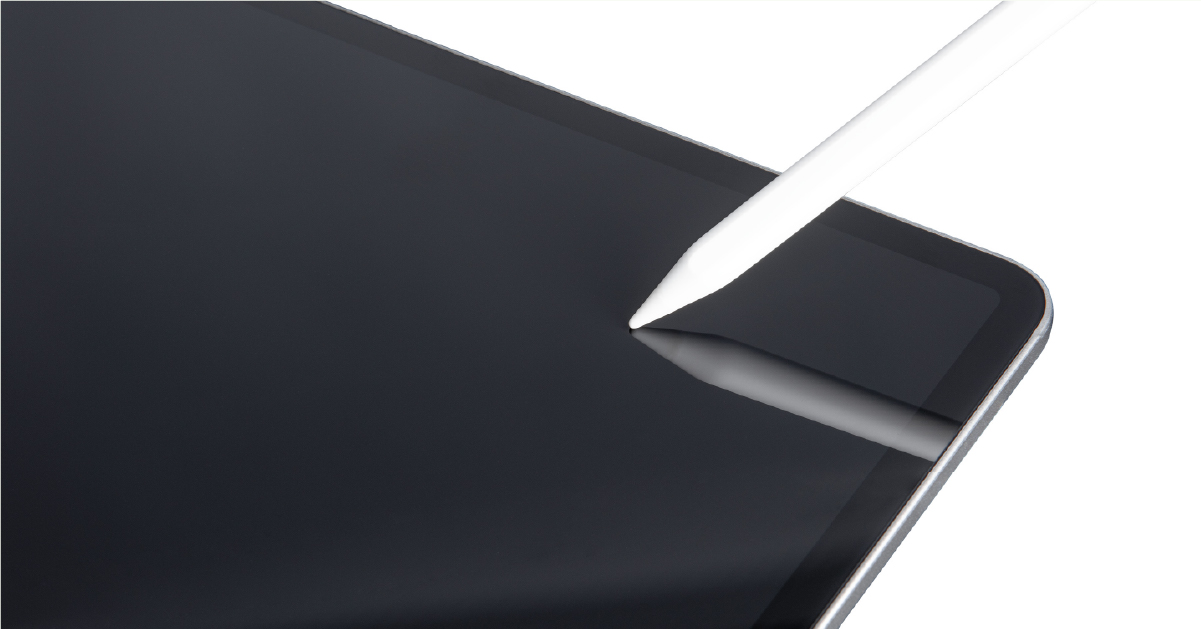
- Scratch Prevention: The main role of a screen protector is to prevent scratches from grit, sand, and daily wear.
- Sacrificial Layer: The protector takes the damage so your actual screen doesn’t.
- Oil & Smudge Control: Many come with an oleophobic coating that reduces fingerprints.
What they don’t do well: Absorb heavy impact from a drop. For that, you need a shock-absorbing case.
How Hard Are Phone Screens, Really?
Modern phone screens (like Gorilla Glass Victus/Victus 2 or Apple’s Ceramic Shield) are very hard compared to everyday objects.
Mohs Hardness (scratch test)
- Phone screens are typically Mohs 7–8.
- This means they resist scratches from keys, coins, and knives (Mohs ~5–6), but quartz sand (Mohs 7) and sapphire (Mohs 9) can still scratch them.
- Example: Drop your phone in the sand at the beach, and you might see scratches. Toss it in a pocket with keys, and usually, you won’t.
Vickers Hardness (scientific measurement)
- Gorilla Glass rates around 600–700 Vickers (kgf/mm²).
- For comparison:
- A steel knife blade is ~200 Vickers.
- A sapphire watch face is ~2,000 Vickers.
- A diamond is ~10,000 Vickers.
- A steel knife blade is ~200 Vickers.
Translation: Your screen is much harder than steel but still far softer than sapphire or diamond.
9H Pencil vs Mohs vs Vickers — Easy Explanation
- 9H Pencil Hardness: Means it can resist scratches from a 9H pencil. Example: won’t scratch if you press it with a sharp mechanical pencil.
- Mohs Hardness: Measures how minerals scratch each other. Example: Your screen (~7–8) resists keys and coins (~5), but quartz sand (7) can scratch it.
- Vickers Hardness: Measures indentation strength. Example: Your phone (~600–700 Vickers) is about 3x harder than a steel knife (~200) but much softer than a sapphire watch (~2000).
Key takeaway: 9H ≠ Mohs 9. When a protector says “9H,” it’s the pencil test, not mineral hardness.
Why Screen Protectors Don’t Really Prevent Cracks
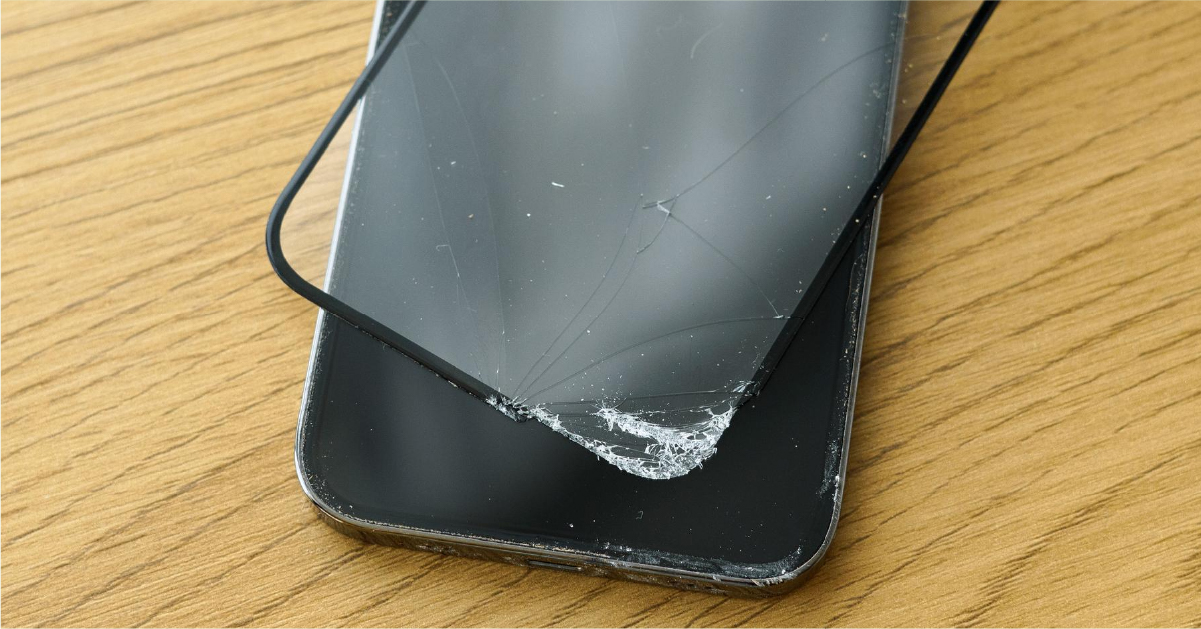
Here’s the simple truth: screen protectors are softer than your phone screen.
- Phone screen: Mohs 7–8 | 600–700 Vickers
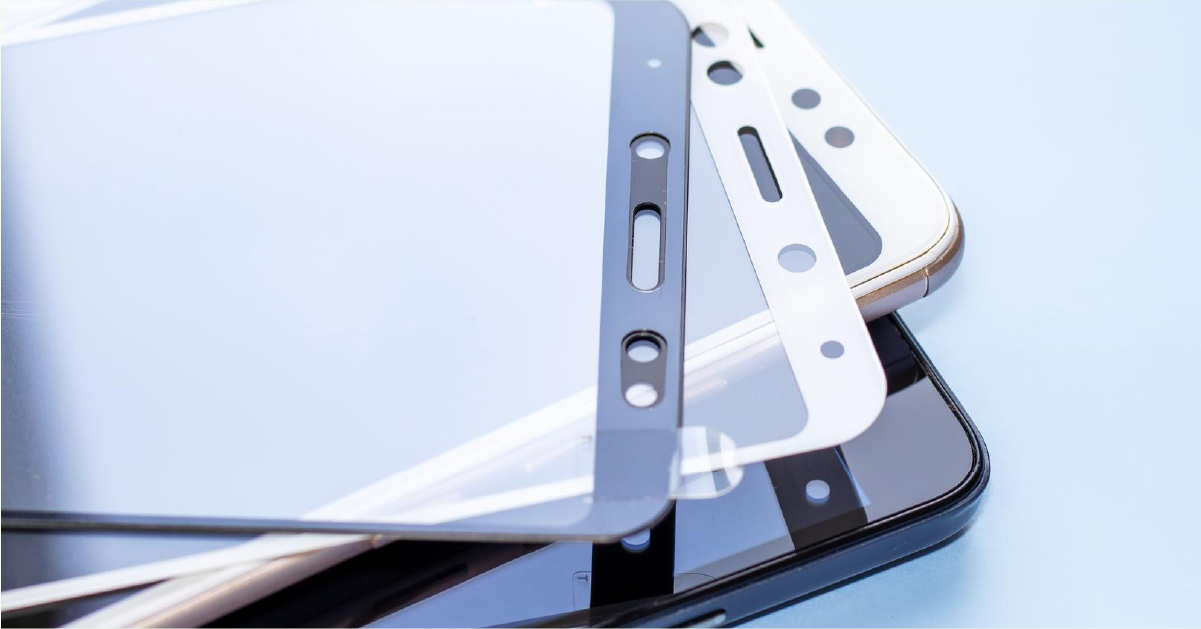
- Tempered glass protector: Mohs 5–6 | ~500 Vickers
- Hydrogel film: even softer, but flexible and self-healing
What happens in a drop:
- The protector cracks first — not because it “saved” the phone, but because it’s weaker glass.
- The impact force still passes through to the actual screen.
- If the drop is bad enough, both will crack together.
So while screen protectors are excellent for scratches, they do not make your phone drop-proof. That’s why a protective case is essential.
Hydrogel vs Tempered Glass
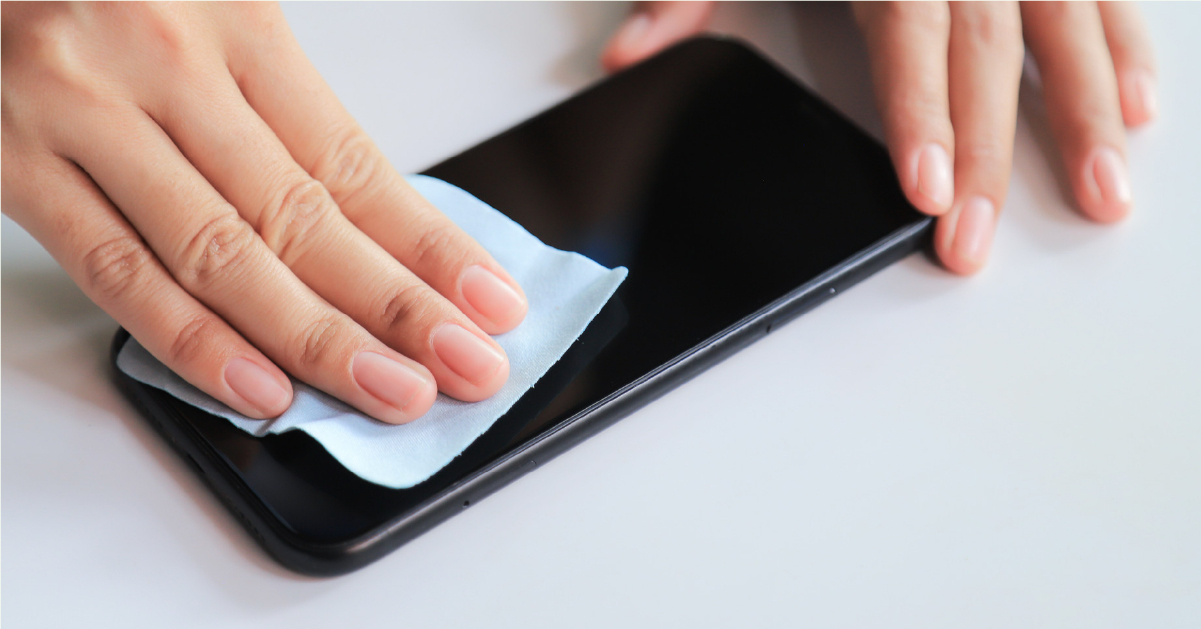
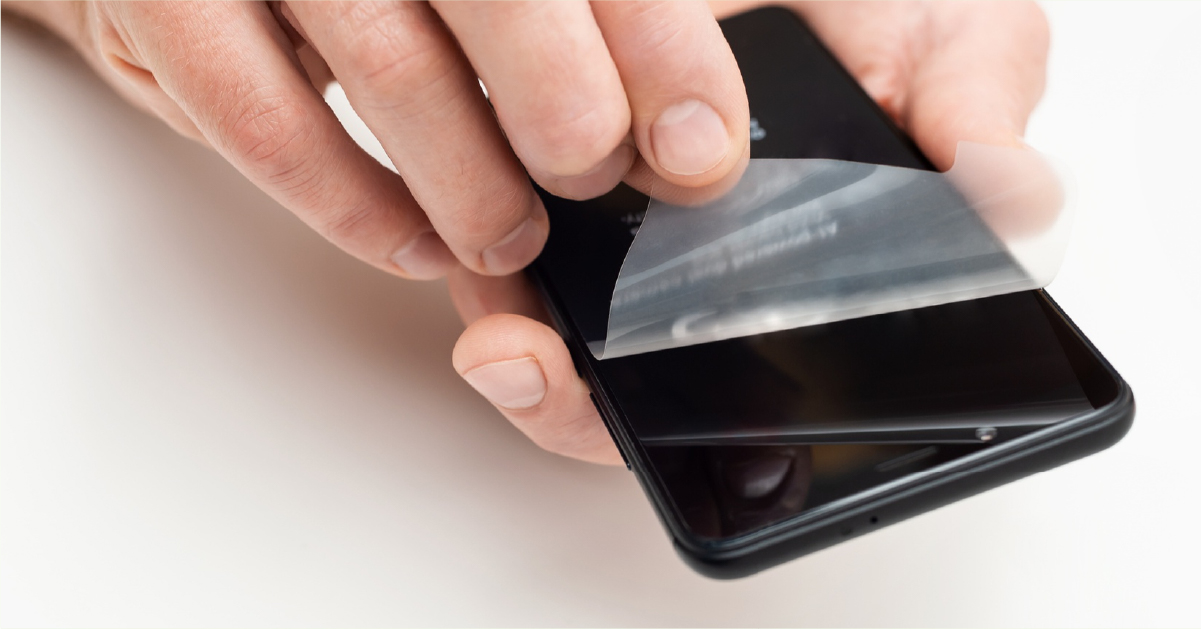
Hydrogel Screen Protector (film):
- Flexible, great for curved screens and in-screen sensors
- Excellent scratch prevention
- Can be custom-cut on demand, reducing packaging waste and CO₂e footprint
- Doesn’t shatter like tempered glass
- Not meant for heavy impact protection
Tempered Glass Screen Protector:
- Glass-like feel
- Decent scratch resistance
- Brittle—chips and cracks easily
- Bulky, model-specific packaging creates waste
- Same limitation: doesn’t prevent cracks from big drops
For everyday abrasion prevention, hydrogel is more than enough—and it’s the eco-friendlier choice.
Final Take
- Use a screen protector to keep your screen scratch-free and resale-ready.
- Use a case for drop protection.
- A hydrogel screen protector is “good enough” for daily use—flexible, sustainable, and customizable.
Protect Smart with myhalo (Free Program + Custom Cutting)
With myhalo’s free screen protector program, you get lifetime replacements (just cover shipping) and the option to choose custom-cut hydrogel protectors for your exact phone model.
Start here: Declutter Your e-Clutter
We custom-cut hydrogel protectors for the latest and most popular devices, including:
iPhone
-
iPhone 16, 16 Plus, 16 Pro, 16 Pro Max
-
iPhone 15, 15 Plus, 15 Pro, 15 Pro Max
-
iPhone 14, 14 Plus, 14 Pro, 14 Pro Max
-
iPhone 13, 13 mini, 13 Pro, 13 Pro Max
-
iPhone 12, 12 mini, 12 Pro, 12 Pro Max
-
iPhone 11, 11 Pro, 11 Pro Max
-
iPhone SE (2nd & 3rd Gen)
Samsung Galaxy
-
Galaxy S25, S25+, S25 Ultra
-
Galaxy S24, S24+, S24 Ultra
-
Galaxy S23, S23+, S23 Ultra
-
Galaxy S22, S22+, S22 Ultra
-
Galaxy S21, S21+, S21 Ultra
-
Galaxy Z Fold & Flip series (Fold 6, Fold 5, Flip 6, Flip 5, etc.)
-
Galaxy A series (A73, A54, A34, A24, etc.)
OPPO
-
Find X series (X7, X6, X5, etc.)
-
Reno series (Reno 12, Reno 11, Reno 10, Reno 9, etc.)
-
A series latest models
Xiaomi
-
Xiaomi 14 series
-
Xiaomi 13 series
-
Redmi Note series (Note 13, Note 12, Note 11, etc.)
-
Poco series (Poco F6, F5, F4, X6, X5, etc.)
vivo
-
X series (X100, X90, X80, etc.)
-
V series (V30, V29, V27, etc.)
-
Y series (Y100, Y78, Y55, etc.)
Why myhalo’s Free Custom-Cut Hydrogel Screen Protector Stands Out
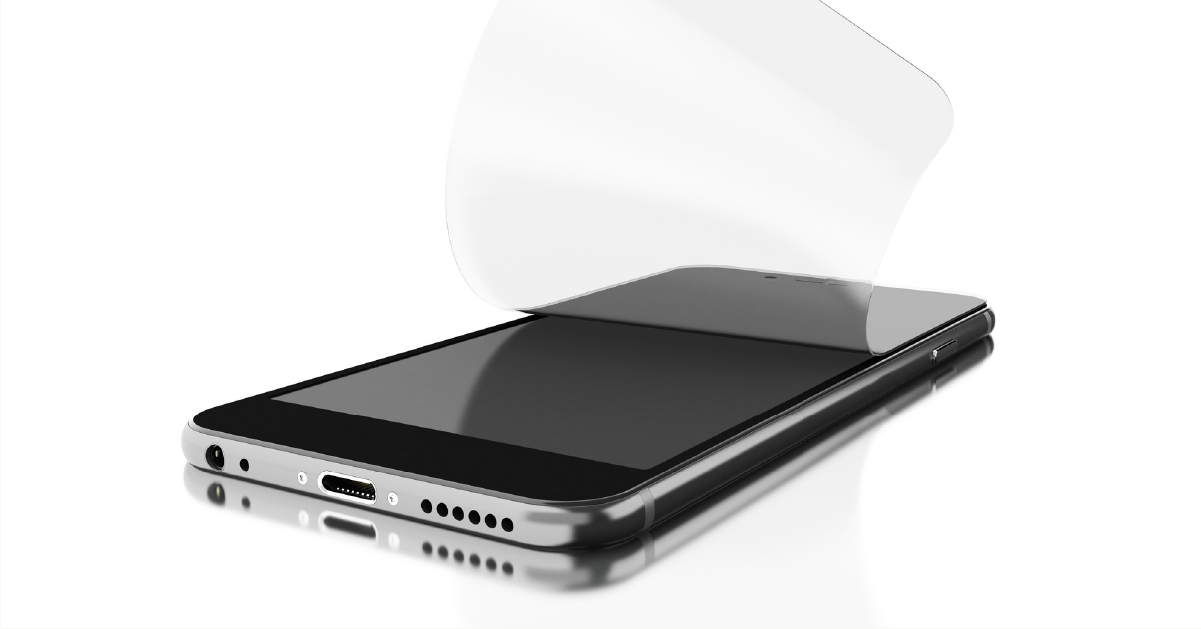
With myhalo’s Sustainable Screen Protector Campaign, you get:
- Custom-cut hydrogel protectors delivered on-demand—no excess packaging, no waste
- A reduced carbon footprint (2–10× less) compared to pre-packaged protectors
- Instantly tailored to any device, any model, any generation—so you always get the right fit
- No obsolete inventory—your protector is made just for you, just in time
- One screen protector at a time—help reduce e-waste sustainably
How to get your own screen protector:
Visit Sustainable Screen Protector Campaign to register and receive your free custom-cut hydrogel protector for your exact phone model.
Join us in making smarter protection choices—For your screen. For your peace of mind. For the planet.