
Computers in Hospital: Importance for Modern Medicine
Computers are fundamental to modern medicine, enabling timely, accurate decisions that improve quality of care and patient safety. By enabling electronic health systems and robust hospital information workflows, computer technology supports healthcare professionals in making timely, accurate decisions that improve quality of care and patient safety. From electronic medical records to real-time data from medical devices, the benefits of technology in healthcare extend across the entire medical field. As medical facilities adopt advanced computer systems, the importance of computers in medicine continues to grow, helping streamline tasks, reduce medical errors, and revolutionize hospital operations.
The Role of Computers in Hospital Settings

Computers serve as the backbone for capturing, storing, and sharing patient data across providers, enhancing continuity and quality of care. A hospital information system links electronic health record platforms, laboratory modules, imaging archives, and prescription tools so healthcare providers can access a comprehensive medical history in real-time. These computer systems support clinical decision-making, coordinate hospital staff communication, and standardize health information for reliable patient medical documentation. By integrating telemedicine, medical devices, and electronic medical workflows, computers in medical environments enhance continuity of care, streamline administrative processes, and elevate the overall quality of care delivered by healthcare professionals and medical staff.
Overview of Computers Used in Hospitals
A mix of servers, bedside workstations, and secure portable devices connects EHRs with imaging, labs, and monitoring for accurate, real-time data. Hospitals use a range of computers to streamline access to health information and reduce medical errors. Key components include medical technology and data management systems.
- Centralized servers for hospital information management and connections to electronic medical records.
- Point-of-care terminals that link directly to EHRs for immediate data access.
- Medical grade workstations on wheels for bedside review of EHRs, prescription verification, and real-time record updates.
- Networked medical computer units that interface with imaging systems, laboratory analyzers, and monitoring equipment to capture accurate patient data.
- Secure portable devices that support telemedicine consultations and remote access to electronic health resources.
Together, these systems support doctors and nurses, hospital staff, and administrators with timely information and essential tools for safer care.
Types of Medical Computers
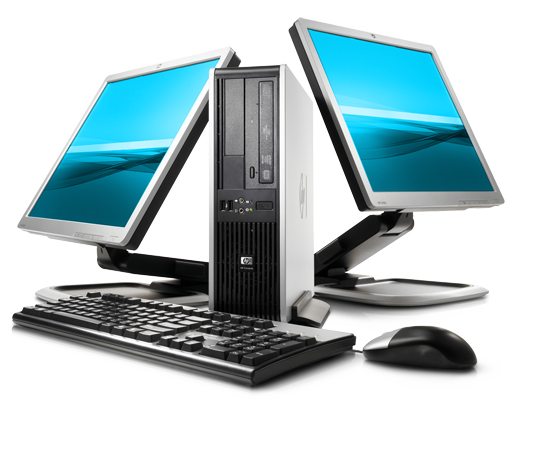
Diverse, specialized computers—AIOs, rugged tablets, embedded systems—deliver reliability, security, and interoperability across hospital workflows.
Medical computers include medical grade all-in-one units for sterile areas, rugged tablets for emergency departments, and specialized computer systems embedded in medical devices. Workstations on wheels integrate barcode scanners for patient medical identification and prescription verification, while radiology uses high-resolution imaging computers to interpret studies linked to the electronic health record. Anesthesia carts rely on embedded computers to log vital signs and transmit electronic medical data to the hospital information system. Telemedicine carts and kiosks connect patients with care providers remotely. These diverse medical computer platforms are used in hospitals to support the healthcare industry’s need for reliability, security, and interoperability across EHRs and electronic medical records.
| Device/Platform | Primary Use |
|---|---|
| Medical grade all-in-one (AIO) devices are crucial for hospitals to ensure efficient operations. | Use in sterile areas; supports reliability, security, and interoperability |
| Rugged tablets | Emergency departments; mobile access to records and workflows |
| Workstations on wheels | Barcode scanning for patient identification and prescription verification |
| Radiology imaging computers | High-resolution interpretation of studies linked to the EHR |
| Anesthesia cart embedded computers | Log vital signs and transmit data to the hospital information system |
| Telemedicine carts and kiosks | Connect patients with care providers remotely |
Integration of Computer Technology in Patient Care
Integrated EHRs, real-time device data, and decision support reduce errors and improve patient safety. The integration of computer technology into patient care connects EHR, patient records, and medical history with clinical workflows to streamline diagnostics, treatment, and follow-up. Real-time patient data from monitors flows into electronic medical records, enabling healthcare professionals to track trends and prevent medical errors. Decision support within electronic health record systems flags drug interactions, optimizes prescription choices, and guides care providers with evidence-based alerts. Telemedicine extends access beyond medical facilities, allowing doctors and nurses to consult and coordinate care using a computer. By unifying hospital information, computers in medicine revolutionize collaboration among medical staff, enhance patient safety, and demonstrate the enduring importance of computers in modern hospital practice.
Benefits of Computers in Medicine
Computers connect health systems with daily care to improve outcomes, reduce errors, and standardize documentation. The benefits of technology in healthcare are most visible when computers in hospital settings connect electronic health systems with daily patient care. Modern computer technology helps healthcare providers capture, analyze, and share patient data through EHRs and electronic medical records, improving quality of care and patient safety. By allowing health information to flow in real-time between medical devices, hospital information systems, and care providers, computers in medicine streamline decision-making and reduce medical errors. Telemedicine expands access to specialists, while medical grade workstations bring electronic medical tools to the bedside. These computer systems also standardize patient medical documentation and medical history, demonstrating the importance of computers in the healthcare industry and how their use computers can revolutionize clinical and administrative workflows across medical facilities.
Enhancing Patient Medical Records Management
Unified EHRs centralize patient data, automate documentation, and enable secure sharing for better continuity of care. Computers in hospital environments transform patient records management by unifying scattered medical information into a single electronic health record accessible to healthcare professionals. An integrated hospital information system synchronizes medical history, test results, imaging, and prescription details so health care providers can review comprehensive patient data at the point of care. EHR platforms automate coding and clinical documentation, reduce duplicate entries, and maintain audit trails that strengthen patient safety and compliance in the health care system. Medical computer interfaces pull structured data from medical devices and labs in real-time, supporting accurate updates to electronic medical records. These capabilities streamline chart retrieval, enable secure sharing between hospital staff and external care providers via telemedicine, and improve continuity of patient care across the medical field.
Reducing Medical Errors through Electronic Health Records
EHRs with decision support, barcode medication administration, and real-time device interfaces significantly cut errors for doctors and nurses. Electronic health record systems reduce medical errors by embedding clinical decision support directly into computer systems used in hospitals. When healthcare providers enter a prescription using a computer, the EHR checks allergies, dosing ranges, and interactions, alerting medical staff before harm occurs. Barcoded medication administration ties patient medical identifiers to electronic medical records to verify right patient, drug, and time. Real-time interfaces with medical devices stream patient data to the hospital information system, flagging abnormal trends for rapid response. Standardized order sets and templates minimize ambiguity, while eHRS provide complete medical history and prior care plans to avoid redundant testing. By improving visibility and accuracy of health information, computers in medical settings enhance patient safety and elevate the quality of care across hospital departments.
Improving Efficiency for Hospital Staff
Automation, real-time documentation, and integrated scheduling streamline workflows and reduce administrative burden. Computer technology streamlines daily workflows for hospital staff by automating routine tasks and coordinating communication across departments. Electronic medical records reduce time spent locating charts, while EHR dashboards summarize patient data for rapid rounding and handoffs between healthcare professionals. Integrated scheduling and bed management inside the hospital information system optimize patient flow and resource allocation. Medical computer workstations on wheels allow care providers to document in real-time, order labs, and e-prescribe without delays. Telemedicine enables remote consults, decreasing transfer times and improving access to specialists. Standardized templates and order sets cut documentation burdens, and automated alerts keep health care providers aligned on critical updates. Collectively, these computers in hospital operations reduce administrative overhead, curb medical errors, and support consistent, high-quality patient care, which is crucial for hospitals.
Telemedicine and Remote Patient Care
Telemedicine extends access, synchronizes records, and enables earlier interventions through remote monitoring. Telemedicine has become a defining force in patient care, showing the importance of computers in medicine for connecting hospital specialists, primary care providers, and patients beyond medical facilities. By linking electronic health platforms with secure video, messaging, and image exchange, computer technology enables health information to travel in real-time, keeping patient records synchronized with the electronic health record. These computer systems integrate with hospital information system modules so healthcare professionals can review medical history, update a medical record, and coordinate a prescription during a virtual visit. As computers in hospital networks interoperate with medical devices at home, clinicians analyze patient data remotely and intervene earlier. The benefits of technology in healthcare converge here: streamline access, reduce medical errors, and improve the quality of care across the healthcare industry.
The Rise of Telemedicine in Modern Healthcare
Embedded telehealth in EHRs improves access while maintaining safety and continuity of documentation. The rise of telemedicine reflects how computers and the internet in hospital environments and EHRs can revolutionize access to care providers while maintaining patient safety. Early programs focused on rural outreach, but modern computer systems now embed telehealth triage, remote monitoring, and specialty consults directly into electronic medical records. Healthcare providers use computers to authenticate patients, retrieve medical information, and document treatment plans in the same electronic health record used in hospitals. Real-time dashboards surface patient data from home medical devices, enabling healthcare professionals to detect risk sooner and reduce avoidable admissions. As the healthcare industry expands digital front doors, the importance of computers and standardized ehr workflows ensures continuity of patient medical documentation, minimizes duplication, and supports equitable patient care across the medical field.
How Computers Facilitate Remote Consultations
Unified telemedicine platforms with EHR integration ensure complete records during virtual care and reduce errors from fragmented data. Computers facilitate remote consultations by unifying telemedicine platforms with the hospital information system and EHR so health care providers can see complete patient records during a virtual encounter. A medical computer verifies identity, gathers intake forms, and preloads medical history, allergies, and prior prescription details from electronic medical records. Integrated video modules capture consent and feed notes back into the electronic health record in real-time, while secure messaging lets hospital staff coordinate follow-up. Connectivity with medical devices such as digital stethoscopes and home blood pressure cuffs streams patient data directly to care providers. These computer systems streamline scheduling, documentation, and billing, helping healthcare professionals use computers to deliver consistent quality of care, reduce medical errors from fragmented data, and maintain accurate health information.
Impact on Patient Outcomes and Accessibility
Telemedicine shortens time to diagnosis, improves chronic disease control, and expands equitable access. Telemedicine supported by computers in hospital networks improves outcomes by shortening time to diagnosis, enabling earlier prescription adjustments, and extending specialist expertise to underserved regions. By embedding telehealth notes and remote monitoring into the electronic health record, healthcare providers track trends in patient data and intervene before deterioration, strengthening patient safety. Digital access lowers travel barriers and costs, allowing patients to maintain continuity with care providers and medical staff, while EHR-integrated alerts prompt timely follow-up. Computer technology also standardizes patient records, ensuring accurate medical information flows across medical facilities and the hospital information system. As ehrs mature, the benefits of technology in healthcare include measurable reductions in readmissions, enhanced chronic disease control, and more equitable patient care that can truly revolutionize the delivery of modern medicine.
The Future of Computers in Healthcare
Connected, intelligent EHR ecosystems will personalize care, predict risk, and seamlessly integrate telemedicine. The future of computers in hospital environments will be defined by tightly connected computer systems that turn fragmented medical information into actionable intelligence for patient care. As ehrs mature, electronic health record platforms will fuse clinical notes, imaging, and medical devices streams into real-time dashboards that guide healthcare professionals and hospital staff. Advances in computer technology will streamline workflows across the hospital information system, allowing care providers to use computers to predict risk, personalize a prescription, and coordinate follow-up. Telemedicine will integrate seamlessly with patient records so medical history, electronic medical records, and remote patient data travel together. This evolution underscores the importance of computers in medicine to revolutionize quality of care, reduce medical errors, and enhance patient safety across the healthcare industry and medical facilities.
Emerging Technologies in the Medical Field
Real-time analytics, interoperable EHRs, ambient data capture, and privacy-preserving cloud systems will transform care delivery. Emerging technologies will elevate computers in medical settings from documentation tools to proactive partners in patient care. Real-time analytics layered on the electronic health record will analyze patient data from medical devices, flag deterioration, and recommend tailored prescription adjustments. Interoperable ehrs will share health information across hospital information system networks, allowing healthcare providers to access a unified medical record anywhere telemedicine is delivered. Medical grade sensors, ambient clinical voice capture, and computer vision will streamline patient medical documentation and reduce manual entry by hospital staff. Cloud-native computer systems will scale securely for large medical facilities, while privacy-preserving methods enable research without exposing patient records. Together, these innovations demonstrate the benefits of technology in healthcare and the importance of computers to revolutionize the medical field.
Potential Challenges and Solutions
Key challenges—interoperability, cybersecurity, usability, and equity—require open standards, zero-trust security, streamlined workflows, and access initiatives. The rapid expansion of computers in hospital operations introduces challenges around interoperability, cybersecurity, clinician burnout, and equity. Disparate electronic medical records can silo medical information, hindering patient safety and quality of care. Solutions include adherence to open standards across the hospital information system and APIs that let healthcare professionals use computers to exchange patient data in real-time. Cyber threats demand medical grade security, zero-trust architectures, and continuous monitoring of critical medical devices. To curb documentation fatigue, EHR workflows must streamline clicks and surface only relevant health information for medical billers. Telemedicine gaps in bandwidth and access can be countered with device lending, offline capture, and community hubs that utilize medical equipment. Clear governance, role-based access to the electronic health record, and rigorous training for medical staff further reduce medical errors and protect patient care.
| Challenge | Key Solutions |
|---|---|
| Interoperability | Open standards, hospital-wide APIs, real-time data exchange |
| Cybersecurity | Medical grade security, zero-trust architectures, continuous monitoring |
| Usability (clinician burnout) | Streamlined EHR workflows, fewer clicks, surfacing relevant information |
| Equity (telemedicine access) | Device lending, offline capture, community hubs |
| Governance and training | Clear governance, role-based EHR access, rigorous staff training |
Vision for a Technology-Driven Healthcare System
A unified, secure, and usable digital ecosystem empowers clinicians, automates routine work, and delivers connected, human-centered care. A technology-driven healthcare system weaves computers in medicine into every step of patient care, from prevention to recovery. In this vision, the hospital information system unifies patient records, medical history, and electronic medical data so health care providers make decisions with complete context using a computer. Real-time signals from medical devices flow into the ehr, where decision support assists healthcare providers with safe prescription choices. Telemedicine extends capacity, ensuring medical facilities deliver equitable access while maintaining high standards for patient safety through the use of medical technology. Computer technology automates routine tasks, freeing hospital staff to focus on empathy and complex needs. By aligning standards, security, and usability, the healthcare industry can use computers to revolutionize outcomes, streamline operations, and sustain the importance of computers in delivering reliable, connected, and human-centered quality of care.