
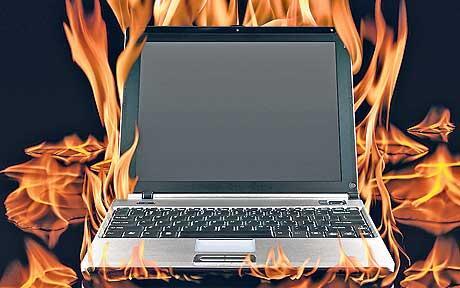
When hot weather rolls in, a little planning goes a long way to stay cool and prevent overheating. This friendly guide offers eight tips to beat the heat, keep your body and your laptop comfortable, and feel cool and safe all season. We’ll share the best ways to reduce excess heat, hydrate wisely, and use simple habits that help regulate temperature with care and honesty.
Understanding Overheating
Overheating happens when temperature rises faster than your body or devices can regulate and shed excess heat. Whether you’re gaming on a laptop with an outdate cooling system or napping on a bed in direct sunlight, thermal stress can build. Our tips aim to prevent overheating, limit risks like heat exhaustion and dehydration, and keep routines cool with practical steps.
What Causes Overheating?
High ambient heat, direct sunlight, and poor airflow are primary causes of overheating, which can lead to heat stroke. A dusty fan speed limiter, blocked vents, or skipped hydrate breaks can disrupt your ability to cope with the heat. Intense gaming generates excess heat, while tight clothes, alcohol, and low fluid intake make it harder to cool the body. Fix airflow, clean with compressed air, and rest smartly to prevent overheating.
Signs Your Device is Overheating
Hot casing, loud fans, slowdowns, thermal throttling, and shutdowns are key warning signs. You might smell hot plastic, see steam-like condensation near vents, or feel hot keys, which can be signs of overheating that disrupt your comfort. Clean dust, reduce load, update drivers, and use a cooling pad to protect your tech.
Why Staying Cool is Important
Staying cool protects health and devices—heat exhaustion and heatstroke require urgent attention. Hydrate with cold water and fluids to prevent dehydration and help cooling the body regulate temperature. For tech, able to cool systems last longer, use less energy, and avoid damage. Use these eight tips to beat the heat with simple habits.
Tips for Keeping Your Laptop Cool
Your laptop works hard, and a few simple tip-packed habits help prevent overheating and keep it cool and safe. Focus on airflow, limit excess heat, and support the cooling system so the CPU can regulate temperature. These eight tips blend convenience and care to reduce strain, extend life, and beat the heat kindly.
Limit Direct Sunlight Exposure
Move devices out of direct sun and into shade to prevent rapid heat buildup and potential heat stroke. Move from a sunny bed or window ledge to shade, and limit radiant heating by using curtains or an umbrella outdoors. Small changes reduce thermal rise, help the fan speed stay gentle, and keep performance steady without a restart, allowing you to cope better with the heat.
Use Cooling Pads and Stands
Elevating your laptop and using a cooling pad improves airflow and reduces trapped heat. Elevation reduces trapped steam-like warmth and excess heat, while quiet fans assist when hot weather strains hardware, helping to prevent heat stroke. It’s a friendly, affordable tip that keeps it cool, comfortable, and ready to beat the heat.
Regularly Clean Your Laptop
Dust clogs vents—clean with compressed air to prevent thermal throttling and shutdowns that can disrupt your comfort. Power down first, then reduce buildup around the fan speed sensors and fins. Routine care prevents thermal throttling, protects against a noisy rise in heat, and supports honest, long-lasting performance without outdate issues or surprise shutdowns.
Beat the Heat: Staying Cool in Hot Weather
Hot weather calls for thoughtful routines that cool the body and lower risk of heat exhaustion. Regulate temperature, hydrate, and use shade and timing to prevent overheating. Our eight tips are simple, supportive, and focused on keeping life cool in hot weather.
Hydration: The Key to Staying Cool
Drink water and electrolytes regularly to prevent dehydration and support cooling. Proper intake helps cooling the body, reduces headache and cramp risk, and supports steady sweat, allowing you to drink lots and beat the heat safely. If symptoms like nausea or confusion appear, seek medical attention for possible heatstroke immediately.
Choosing the Right Clothing
Wear light, loose, breathable layers and favor light colors in the sun. Choose loose fabrics that allow sweat to evaporate, limit dark colors in direct sunlight, and add a hat for shade to stay safe. Honest comfort matters: adjust outfits as temperature rise, and carry a small towel and cooler bottle to refresh skin and regulate warmth kindly.
Best Ways to Cool Down During Physical Activity
Exercise during cooler hours, take frequent water breaks, and use shade; stop if dizzy or nauseous to avoid heat stroke. Apply cold water to wrists and neck, pause if symptom like dizziness or nausea occur, and move to shade. Keep sessions moderate in hot weather, watch for heat exhaustion signs, and listen to your body with caring, honest attention.
Reducing Heating at Home
Small home habits can reduce excess heat and help you stay cool in hot weather. Manage sunlight, improve airflow, and limit indoor heat sources to cope with rising temperatures effectively. By managing temperature, limiting direct sunlight, and using a cooler mindset, you’ll feel supported, honest, and cool and safe.
Keep Windows Covered
Close blinds/curtains during peak sun; ventilate at night if safe to release heat and drink lots of water to stay safe. Light-colored shades reflect direct sunlight, helping rooms stay cool and preventing a stuffy, steam feel. At night, open windows if safe to cool the body and space. This easy tip works like a home cooling system without extra energy.
Use Fans and Air Conditioning Wisely
Create cross-breezes; use moderate AC; clean filters regularly. Set fans to create cross-breezes and keep air moving so sweat evaporates and temperature feels lower. Use AC on moderate settings to prevent overheating without a costly spike. A bowl of cold water or ice before a fan adds a cooler edge. Clean filters regularly, like using compressed air for a laptop fan speed boost.
Creating a Cooler Environment
Choose breathable bedding, unplug idle electronics, and place cool packs on pulse points. Unplug idle electronics that overheat rooms, and move gaming sessions away from tight corners that trap heat. Keep plants for shade, sip fluid often, and place cool packs on pulse points. These tips for staying comfortable gently regulate warmth and help you cope with the heat.
Frequently Asked Questions
Welcome to our friendly FAQs, where we answer common questions with caring, honest guidance. You’ll find clear tips for keeping life cool, from your laptop to your daily routine. If a symptom worries you or things escalate, seek medical attention to diagnose potential issues like heat stroke. Let’s beat the heat together with supportive, down-to-earth answers that feel cooperative, ensuring we are all staying safe.
How to Identify Overheating in Electronics?
Loud fans, hot surfaces, slowdowns, and restarts signal overheating. Devices may overheat when fan speed surges, temperature climbs, and performance throttles or apps restart. You might feel a hot case, smell warm plastic, or hear noisy fans. Reduce load, improve airflow, and clean vents with compressed air to protect components.
What are the Signs of Overheating in Humans?
Heat exhaustion: heavy sweat, headache, nausea, cramps, dizziness; heatstroke needs immediate care. If confusion, no sweat with hot skin, or collapse appear, that may signal heatstroke or heat stroke—seek immediate medical attention. Hydrate with cold water, rest in shade, and reduce activity to prevent dehydration. Early care helps regulate temperature and stay cool and safe.
How to Feel Cooler Naturally?
Hydrate, cool pulse points, wear loose layers, use shade and cross-breezes. Sit in shade, use a fan cross-breeze, and limit direct sunlight. Eat light meals, pause gaming or intense activity during peak heat, and elevate airflow around the bed. These best ways gently prevent overheating with kind, fun energy.