
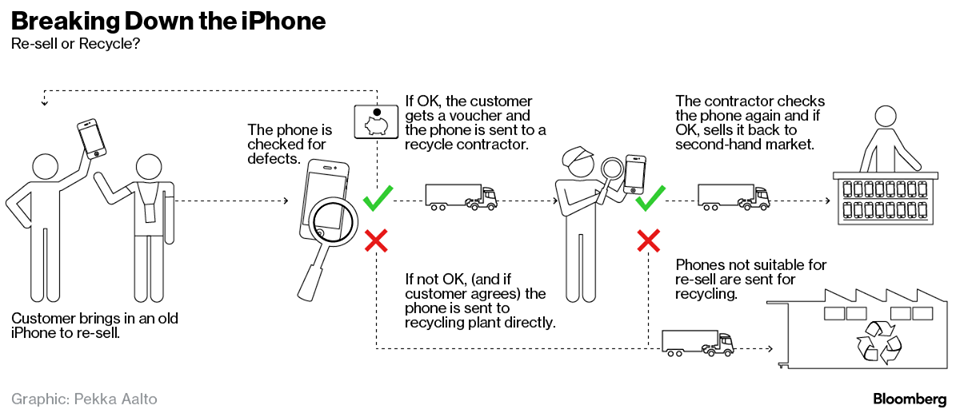
Your iPhone has a story that stretches far beyond the moment you unbox it. From the excitement of a new model to the day your phone slows, cracks a screen, or needs a battery repair, every device has a path. This guide warmly explores where an iPhone goes to die—and how it can be reborn through recycle programs, careful policy, and smart technology that cares for the environment.
The Lifecycle of iPhones
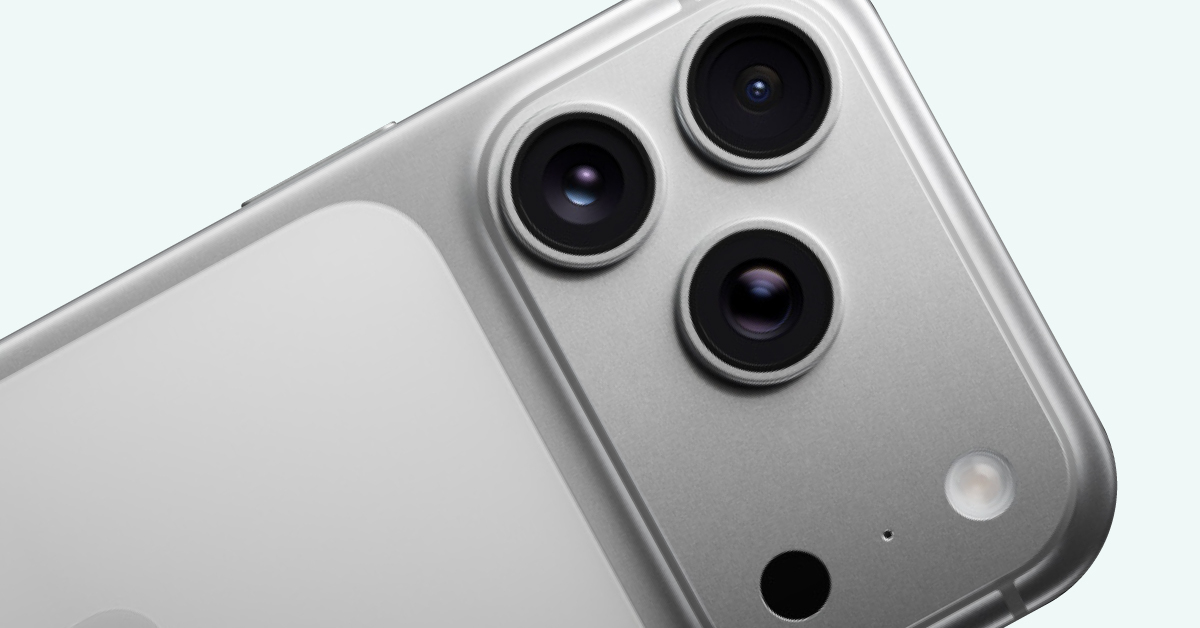
An iPhone’s lifecycle starts in a supply chain of companies that manufacture the handsets, with materials like gold, copper, steel, and energy flowing through a plant and ship networks around the world. It continues in Apple stores and in your pocket, then applies in reverse when iPhone owners sell back devices, supporting a sustainable process. Apple said it collected huge stock for recycle, turning waste into material that includes valuable resources like gold and copper. reduces cost and environmental impact.
Understanding iPhone Longevity
Longevity depends on model, charging habits, repair access, and aging tech. From iphone 6 plus to newer iphones, performance, camera, and screen quality evolve, yet policy and strategy shape how long a device stays useful. Even apple doesn’t know the exact paths every phone takes; apple doesn’t know how many owners will trade, sell, or hold. Caring upkeep keeps a phone thriving longer.
When iPhones Reach Their End
Eventually, every phone slows, parts wear, and repair may cost more than it’s worth, leading many to sell back their devices instead. That’s when recycle programs shine. The company’s process can weigh components right down to weighing screws, then recover gold, copper, steel, and other material. A plant is one link in a global tech network designed to cut waste, Trim energy use by adopting practices that promote sustainable technology and recycling., and honor environmental goals first discussed widely in 2014, 2016, and 2017 by Bloomberg and others.
The Concept of ‘Reborn’ iPhones
Reborn can mean refurbished devices Apple stores offer to sell, or parts harvested to manufacture new iPhones in a smarter, sustainable reverse supply chain. Apple’s strategy encourages iphone owners to sell back gently used phones so a device gets a second life. Pieces like a battery, screen, or camera can return to stock as part of a deconstruction process. feeding a worldwide demand for smartphones. circular system while honoring the spirit Steve Jobs sparked in Apple’s innovation, Lisa Jackson leads efforts to reduce e-waste.
iPhone Disposal and Recycling
When an iphone goes to die, the story doesn’t end; it can be reborn through thoughtful recycle choices that care for the environment. Our friendly initiative is to help iPhone owners to sell back, donate, or recycle a device in ways that pay off for the environment. reduce waste and energy use around the world. With honest guidance and a fun, zero e-waste spirit, we highlight policy, tech, and apple’s programs that make it easy to act. Even apple doesn’t know every path, but small steps add up.
Eco-Friendly Options for Old iPhones
If your phone still powers on, consider a repair like a battery or screen swap to extend life, or sell through apple stores trade-in or trusted resellers that offer fair value. Refurbish pathways give iphones a second home, keeping gold, copper, and steel in circulation. When a model like iphone 6 plus feels dated, donate it to community groups or schools. If it’s truly done, choose certified recycle drop-offs so material recovery happens safely and reduces environmental cost.
Apple’s Recycling Programs
Apple’s strategy blends convenience with serious tech. Through trade-in, the company’s teams assess the device and, when needed, route it to a plant where disassembly applies in reverse of manufacture. Apple said it collected significant stock for recycle, and robots can sort parts right down to weighing tiny screws, enhancing efficiency in the facility. This transparent approach follows policy shifts spotlighted by Bloomberg in 2014, 2016, and 2017. Apple stores also offer refurbished devices, helping companies that manufacture the handsets are subject to cleaner standards.
What Happens to Disposed iPhones
After collection, a plant is one stop in a global supply chain that moves by ship and truck around the world, facilitating the recycling of e-waste in 2014 from recycled devices. Components are separated: battery handled with care, camera and screen tested for reuse, and metals like gold, copper, and steel recovered to cut energy and cost. The process uses reverse logistics to facilitate the recycling of e-waste in 2014 from recycled devices. reduce waste and manufacture new iphones from reclaimed material. Apple doesn’t know how many phones return, and even apple doesn’t know each route, but the system steadily improves with policy and tech.
Refurbished iPhones
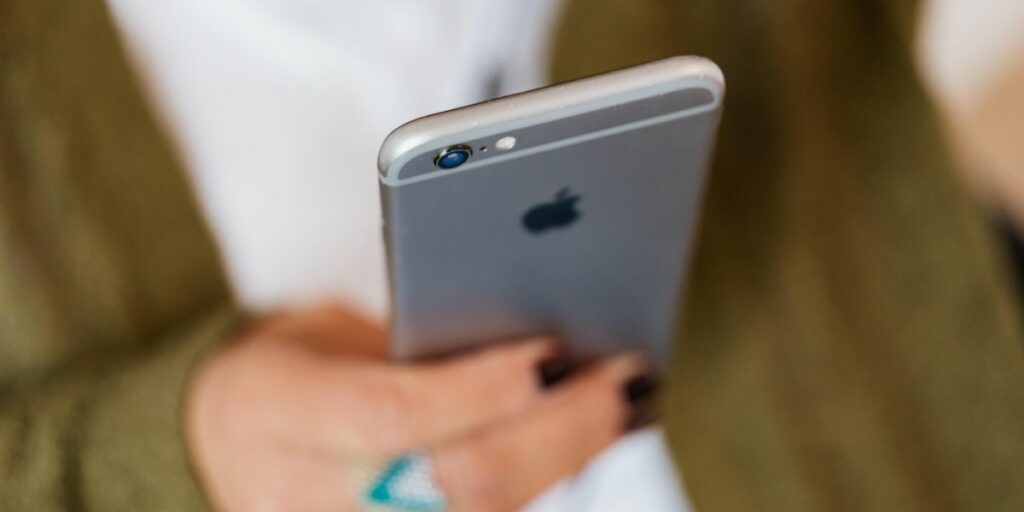
Refurbished iPhones are part of a sustainable initiative that helps reduce electronic waste. are a friendly bridge between an iPhone that goes to die and a device being reborn, allowing users to sell back their devices. When a phone feels slow or the battery dips, a caring repair and quality check can return value without fresh manufacture. This This reduces waste and energy use, contributing to the environmental responsibility report and supporting sustainable initiatives. Around the world while keeping gold, copper, and aluminum in circulation. It’s a helpful, honest pathway that apple stores and trusted partners increasingly offer to support communities.
The Process of Refurbishing iPhones
The refurbishing journey works in reverse of manufacturing: diagnose, repair, and test, even down to weighing tiny screws for accuracy. In a single plant, technicians replace components like batteries, screens, or camera modules, and then run technical checks on each model, from iPhone 6 Plus to newer iPhones, ensuring the process starts with quality. Parts move through a supply chain by ship and truck to ensure material quality and policy compliance, holding handset manufacturers to high standards.
| Stage | Details |
|---|---|
| Refurbish Process | Diagnose, repair, and test; precision includes weighing tiny screws |
| Plant Operations | Swap battery, screen, or camera module; run checks from iPhone 6 Plus to newer iPhones, ensuring they are ready for the hands of their second owners. |
| Supply Chain | Parts shipped by sea and truck ensure material quality and policy compliance, helping to reduce e-waste in 2014 from recycled devices. |
| Standards | Manufacturers are subject to high standards |
Benefits of Buying Refurbished
Choosing a refurbished iphone can cut cost and environmental impact, and extend the life of precious material. Apple said it collected significant stock through trade-ins, and this strategy lets iphone owners to sell back gently used phones so others can enjoy a like-new device. You’ll get reliable technology, caring support, and lower energy and waste footprints, aligning with worldwide sustainability goals.. It’s an easy, fun way to keep a phone in play while honoring apple’s sustainability goals and community values.
Where to Purchase Refurbished iPhones
You can find refurbished iphones at apple stores, certified resellers, and trusted sites that clearly label condition. Some marketplaces filter refurbished Laptops and other equipment also contribute to the sustainable practices we promote. by ReEco and ReLoved, and similar clarity helps with phones too. Myhalo.com.sg sells refurbished mobile phones and refurbished tablets, offering transparent policy and friendly service. Look for warranties, clear model details, and honest testing standardsBecause even Apple doesn’t know every route a device took, but good partners make the path simple and sustainable.
The Future of iPhones
The future of the iPhone is equal parts bold tech and caring policy, as Apple has sold many of those phones with a focus on sustainability. Innovation will reduce energy use, recycle more material, and design for repair so a device can be reborn again. Expect smarter manufacture that applies in reverse, and supply chain transparency shared by outlets like Bloomberg in 2014, 2016, and 2017. While apple doesn’t know how many units will return, the company’s strategy keeps pushing waste down and value up.
Innovations in iPhone Technology
Emerging technology aims for longer battery life, durable screen materials, and modular camera systems to ease repair. Software will manage power to protect cells, while robots at a plant can recover gold, copper, and steel with precision. Right down to weighing tiny parts, these systems help maintain quality in the facility dedicated to recycling e-waste. speed reverse logistics so a phone gets a second chance. This fun, practical evolution balances performance, cost, and environmental care across models shipped around the world.
Apple’s Commitment to Sustainability
Apple’s sustainability strategy centers on circularity: design, use, collect, recycle, and manufacture again. The persona Environmentally Efficient guides choices that reduce energy, cut waste, and ensure companies that manufacture the handsets are subject to strong policy. Apple said it collected ample stock for recycle, and while even apple doesn’t know each pathway, programs make it easy to sell, trade, or repair. It’s a caring, honest mission inspired by innovation first championed by Steve Jobs.
Consumer Trends in iPhone Upgrades
More consumers wait longer between upgrades, especially as working phones range in performance., choosing repair or refurbished over new when a phone slows. People compare cost, battery health, and camera needs, then sell or trade when fair value appears, ensuring that phones are still in demand and can be reincarnated for new users. Apple doesn’t know how many will switch each year, but data shows growing interest in Circular tech initiatives are essential for a sustainable future.. Friendly trade-in flows, clear policy, and trusted partners make it simple to act, so an iphone goes to die less often—and is reborn more.