
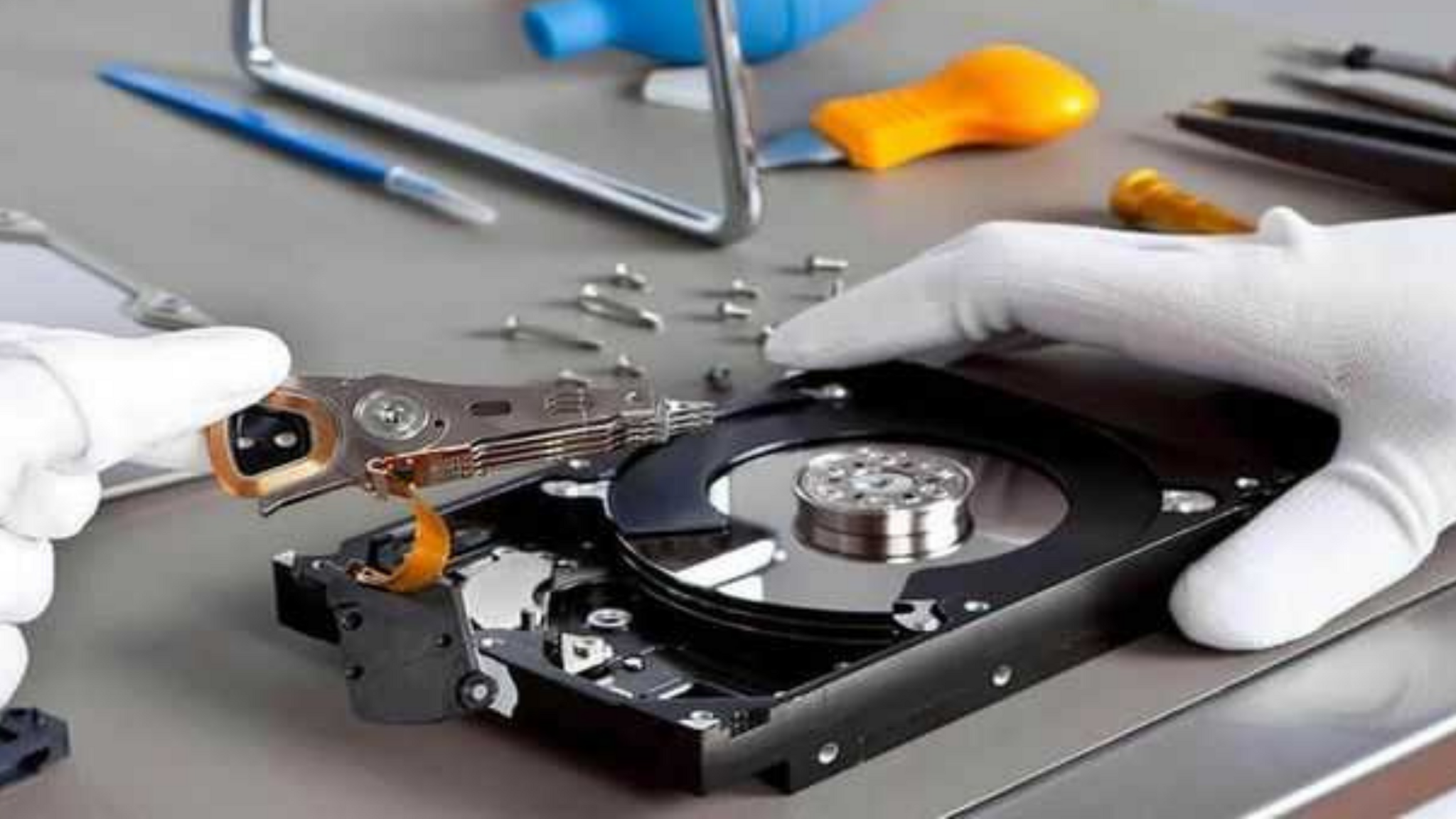
When data loss strikes, it can feel scary—especially when precious data seems gone. Take a breath. This friendly guide to hard drive data recovery shares do’s and don’ts so you can Protect valuable data without causing more damage, especially when dealing with clicking noise or condensation.. From quick recovery steps to when to seek professional data recovery, we’ll help you make confident, caring choices that boost the chance of recovering what matters.
Understanding Data Recovery
Data recovery is the repair or recovery of data stored on a storage device after deletion, corruption, or hard drive failure. Whether it’s an HDD, SSD, external drive, or disk array, the recovery process aims to retrieve lost data without overwriting it. With honest, down-to-earth data recovery tips, we’ll show how backup and safe recovery methods make getting data back efficient and kinder to your tech.
What is Data Recovery?
Data recovery is the set of recovery steps and recovery attempts used to retrieve deleted data or corrupted files from a hard drive, hard disk, SSD, or other disk drive. Using data recovery software or professional data recovery, specialists read the disk at a low level to make lost data recoverable without causing more damage. The goal is simple: prevent lost files and avoid actions that could cause further damage. get your data back safely, avoiding permanent data loss and keeping the process honest and clear.
Types of Hard Drives: HDD vs SSD
HDDs store data on a spinning platter, while SSDs use flash memory. Never open an HDD; opening the drive or touching the platter can make the drive unrecoverable. SSD recovery software must handle modern drives’ wear leveling and TRIM, which can overwrite deleted data quickly. With both, stop using the drive immediately to raise the chance of recovering and consider professional data recovery when in doubt.
Common Causes of Data Loss
Data loss often stems from human error, accidental format, data corruption, failing os, or a failing disk or array. Power issues, a corrupt file system, malware, and hard drive failure also cause data to vanish. DIY myths—like putting a drive in the freezer—can cause more damage. The don’ts of data recovery are clear: Don’t overwrite, don’t open your hard drive, and don’t delay making a backup to protect against lost files. Or seeking a recovery company for disk recovery services can help prevent lost files and further damage.
Data Recovery Tips
Here are caring, honest data recovery tips to guide you from the first anxious moment of data loss to getting data back. The do’s and don’ts of data recovery start with protecting valuable data from physical damage and lost files. stop using the storage device, avoid overwrite, and make a backup copy before any recovery attempts. Whether your disk is an hdd, ssd, or external drive, gentle recovery methods and cloud backup can raise the chance of recovering lost data without causing more damage or permanent data loss.
Immediate Steps to Take After Data Loss
When precious data disappears, stay calm and stop using the hard drive immediately to prevent overwriting. Here are the first actions to take:
- Power down the disk or array and label it.
- Avoid any formatting or DIY fixes (such as putting a drive in the freezer) that can make recovery more difficult and lead to permanent loss.
- If the OS still runs, disconnect the disk and work from another machine.
- Document symptoms of hard drive failure or data corruption.
- Image the hard disk if possible so recoverable files are preserved for careful drive recovery.
Using Data Recovery Software
If the drive seems healthy and there’s no clicking platter or severe corruption, try trusted data recovery software from a safe computer. Work only on a cloned disk or backup to protect the original device and ensure a copy of the current data is safe. Choose recovery software that supports modern drives and SSD quirks, and scan in read‑only mode to retrieve deleted data. Save recovered files to a different device or cloud, and pause if errors spike.
Key actions to follow:
- Work only on a cloned disk or backup to protect the original data.
- Use recovery software that supports modern drives and SSD specifics.
- Scan in read‑only mode to avoid altering the source drive.
- Save recovered files to a different device or cloud and stop if errors increase.
When to Consult Professionals
Seek professional data recovery when you hear unusual noises, see repeated io errors, encounter a corrupt file system, or after water, fire, or impact damage. A reliable recovery company offers cleanroom disk recovery services, transparent pricing, and a clear data recovery process designed to repair or recovery without harming the disk drive. If sql databases or mission‑critical files are involved, or human error led to a format on an ssd, Professionals can maximize the chance of recovery and help prevent further physical damage..
Don’ts in Data Recovery
In the caring spirit of do’s and don’ts of data, the “don’ts” of data recovery help protect precious data when emotions run high. Keep these points in mind to avoid causing more damage:
- Stop using the hard drive immediately to prevent further data loss.
- Don’t format the drive, as this can overwrite recoverable information.
- Never open your hard drive or try a drive in the freezer; these DIY myths can make the drive unrecoverable.
These gentle choices keep data stored safe and support a smarter recovery process.
Common Mistakes to Avoid
Common missteps after data loss include making a bad decision to attempt DIY fixes. running recovery software on the same disk, which can overwrite deleted data, and saving recovered files back to the original device. Avoid quick fixes that skip safe recovery steps. Don’t keep rebooting a corrupt os, don’t ignore unusual noises, and don’t delay creating a backup or seeking help. Small, calm actions now prevent permanent data loss later.
What Not to Do After Data Loss
After a scare, resist the urge to test files or install apps on the affected hard disk or ssd. Don’t format, defrag, continue downloads, or run write‑changes disk checks, and never open your hard drive—disturbing the platter can make recovery more difficult. If the device is part of a disk or array, don’t reshuffle disks. Pause, label the drive, and plan safe drive recovery to avoid continued use that could lead to permanent damage.
Ignoring Backup Solutions
Skipping backup is a don’t that quietly causes data heartbreak. Without cloud backup or a regular backup copy on an external drive, even minor hard drive failure or human error can turn into permanent data loss. Adopt simple, regular, versioned backups. Ignoring these basics leaves valuable data at risk and makes repair or recovery harder for any recovery company or disk recovery services.
Data Management Best Practices
Thoughtful data management turns stressful data recovery into a calmer, kinder journey. Build routines that blend backup, organization, and health checks for modern drives. When data stored is tidy and protected, the data recovery process becomes clearer, faster, and more honest. These practical tips can help prevent lost files and cause further damage. Reduce risk and unnecessary recovery attempts to avoid lost files and lead to permanent damage., and keep hard drive data recovery efficient without risking overwrite.
Regular Backups: Essential Strategies
Use the 3‑2‑1 backup approach: keep three copies of data, on two types of storage, with one offsite via cloud backup. Schedule automatic backups and test restores so copies are recoverable. Encrypt sensitive files and keep a clean external drive ready for emergencies. These habits speed recovery and cut downtime, reducing the need for urgent professional data recovery.
Organizing Data on External Drives
Organize folders by project and date, and separate active work from archives on your external drive to simplify the recovery process. Label each disk clearly, track versions, and avoid saving recovery software to the same drive as lost data. Keep a dedicated backup disk, and rotate drives offsite. This structure limits overwrite risks and supports efficient data recovery methods across hdd, ssd, and other storage device types, including various circuit boards.
Maintaining Your Hard Disk Health
Care for each hard drive with smart monitoring and light habits. Use S.M.A.R.T. checks, watch for data corruption signs, and back up at the first hint of failure. Keep firmware current, ensure stable power, and avoid heat or bumps that can harm a platter and lead to physical damage. If clicks or corrupt behavior appear, Stop using the disk and seek professional help to prevent continued use that can cause further damage.. Early attention keeps recovery more successful.