
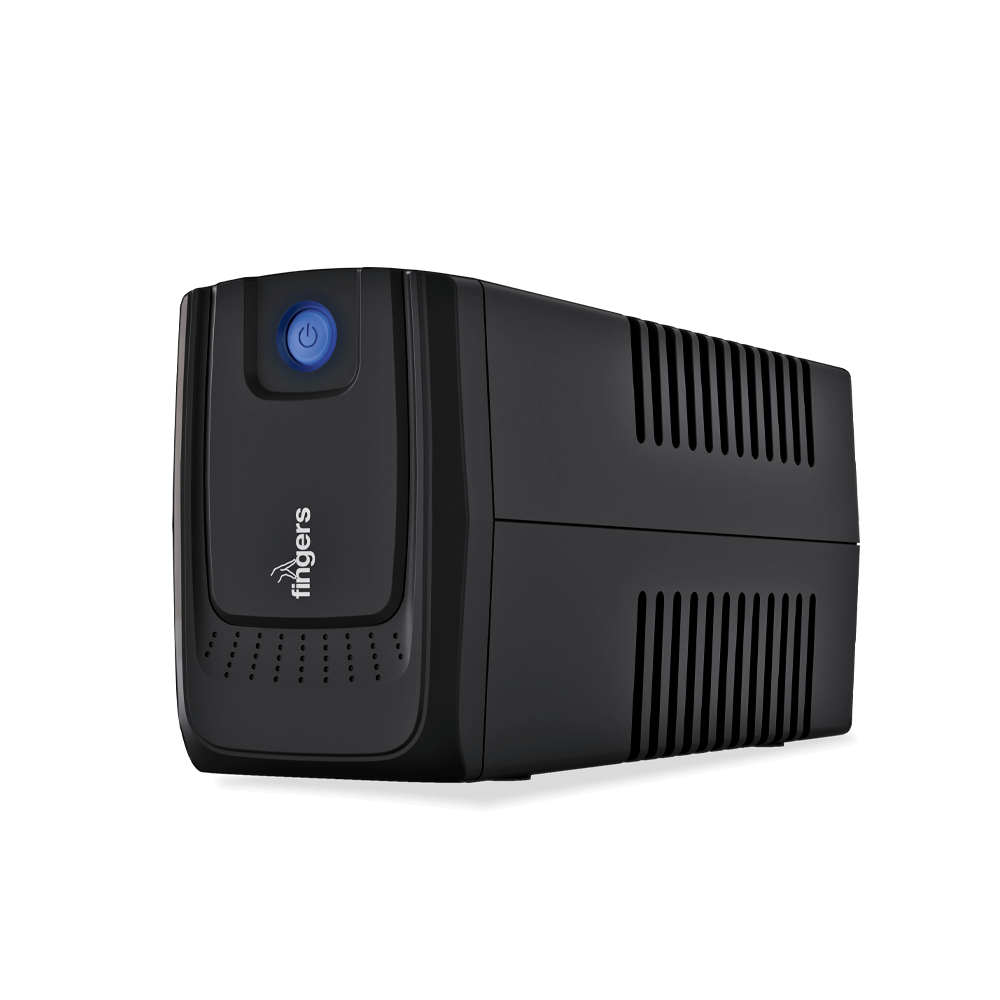
Modern facilities depend on a resilient power system to sustain essential loads when mains power falters. This article explains different types of UPS systems, how a UPS system protects critical load, and why choosing and sizing the UPS correctly matter for power quality and uptime. From data centres to healthcare, we explore UPS mode of operation, electrical loads, and practical ups solutions.
Understanding UPS Systems
An uninterruptible power supplies architecture safeguards connected load from outage, voltage sags, and spikes by providing uninterruptible power. UPS units condition input power and deliver stable output voltage via inverter and battery backup. Whether a tower UPS or modular configuration, the ups power bridges to a generator through a transfer switch, ensuring the electrical system maintains power protection for essential loads, especially during mains power supply failures.
What is a UPS System?
A UPS system is a power supplies device that sits between the power source and the connected load to Ensure continuous, clean output voltage to prevent data loss during power fluctuations.. When mains power fails or deviates, it can switch to battery instantly via an inverter. Depending on UPS configuration and ups input, the ups output maintains power factor, filters disturbances, and preserves uninterruptible power for critical load.
Importance of Uninterruptible Power Supplies
Uninterruptible power supplies protect operations from outages, preserve power quality, and prevent downtimeAllowing orderly shutdowns or generator startup is crucial when the mains power supply fails. By isolating sensitive type of load from transients and harmonics, a UPS solution stabilizes voltage and frequency, safeguarding essential loads while separating non-essential loads to optimize the electrical system.
Types of Electrical Loads
Electrical loads vary: a resistive load like heating draws steady current, while an inductive load like motors demands high inrush and reactive power factor. Understanding load types helps size the UPS and select the right type of UPS system. Critical load in a data center might mix servers and cooling, affecting ups configuration, ups mode of operation, and selecting a UPS that matches different types of UPS capabilities.
Different Types of UPS Systems
Different types of UPS systems address varied load types, power quality needs, and budgets. A UPS system can be standby, line-interactive, or online double conversionEach with a distinct UPS mode of operation, these systems can adapt to varying input voltage conditions. By aligning type of UPS system to the connected load and critical load profile, facilities maintain uninterruptible power, stable output voltage, and resilient power protection across essential loads.
Standby UPS Systems
Standby UPS, also called offline UPS, keeps the connected load on mains power until an outage or severe voltage deviation occurs, then performs a rapid switch to battery. Simple and cost-effective for less sensitive loads, its inverter is idle until needed, providing battery backup via a quick transfer switch for basic power protection.
Line-Interactive UPS Systems
Line-interactive UPS adds automatic voltage regulation to stabilize input power without switching to battery, improving power quality and extending battery life. Ideal for small data centre rooms and network closets, it copes with brownouts and surges, while its inverter can boost or buck voltage. This ups solution balances efficiency and protection for mixed load types and moderate power system disturbances.
Online Double Conversion UPS Systems
An online double conversion UPS continuously converts AC-DC-AC to fully isolate the load from mains anomalies. The inverter always supplies the ups output, ensuring consistent voltage and frequency with zero transfer time. Double conversion ups suits data centres and healthcare where critical load demands maximum uninterruptible power, tight power factor control, and zero transfer time during faults.
Comparing UPS Solutions
When comparing different types of UPS, evaluate power supplies performance, efficiency, and cost against the type of load and uptime goals. Consider ups input range, ups output stability, battery backup duration, and generator integration via a transfer switch. Matching ups configuration to the electrical system and choosing a UPS that fits essential loads helps size the UPS correctly and optimize total cost, particularly for critical applications.
Advantages of Double Conversion UPS
Double conversion provides superior power quality by decoupling input power from the load, delivering clean output voltage under sags, surges, harmonics, and frequency shifts. It supports high power factor, seamless switch to battery, and tight voltage regulation. In a data center, online double conversion ups minimizes downtime and safeguards sensitive equipment during generator synchronization and complex electrical loads.
Benefits of Line-Interactive UPS
Line-interactive ups offers strong value where frequent but moderate voltage variations occur. Its automatic regulation Limits battery use by optimizing the UPS configuration according to the total load., improving longevity and efficiency compared to standby. For tower ups deployments in branch sites, it supports mixed inductive load and resistive load with good power protection. It integrates well with small generator setups and provides robust ups power for distributed essential loads.
Choosing the Right UPS Type
Choosing a UPS starts with defining electrical loads, behavior, and runtime needs. Verify that UPS units support the required input ranges, inverter capacity, and battery power, while ensuring the power system can size the UPS accurately.
| Scenario | Preferred UPS Topology |
|---|---|
| Highly critical load in data centres often requires advanced UPS configurations to prevent data loss. | Double conversion |
| Budget-sensitive networks | Line-interactive |
| Non-essential loads | Standby |
Critical Loads and Their Management
Managing critical load begins with classifying electrical loads across the power system and mapping each connected load to an appropriate ups solution. Facilities balance essential loads and non-essential loads, align type of load with different types of UPS, and verify transfer switch, generator, and battery backup coordination. Accurate data ensures you size the UPS correctly and preserve power quality.
Identifying Critical Electrical Loads
Identify critical load by assessing business impact during an outage, voltage sensitivity, and tolerance to transfer events. In a data center, servers, storage, and network are essential loads, while office lighting may be non-essential loads. Document UPS input, power factor, runtime, and UPS mode of operation per connected load to guide selecting a UPS and UPS configuration effectively.
| Category | Details |
|---|---|
| Assessment Factors | Business impact during outage, voltage sensitivity, tolerance to transfer events |
| Load Types | Essential: servers, storage, network; Non-essential: office lighting |
| UPS Documentation | UPS input, power factor, runtime, UPS mode of operation per connected load |
Load Types and UPS Requirements
Load types drive the UPS type. Resistive loads can use simpler standby or line-interactive UPS, while capacitive loads may require more sophisticated solutions. inductive loads with inrush may require double conversion for tight output voltage control. Medical imaging pairs well with online double conversion UPS, and tower UPS for branch IT suits line-interactive. Confirm inverter sizing, UPS output, and transfer switch compatibility.
| Load/Use Case | Recommended UPS Type |
|---|---|
| Resistive load | Standby or line-interactive |
| Inductive load with inrush | Double conversion (for tight voltage control) is essential when the mains power supply fails. |
| Medical imaging | Online double conversion |
| Branch IT (tower UPS) | Line-interactive |
Always confirm inverter sizing, UPS output, and transfer switch compatibility.
Strategies for Load Management with UPS
Segment the electrical system into tiers, considering the total load and the types of loads, such as resistive and capacitive loads. critical load on double conversion, priority support on line-interactive, and non-essential loads on standby. Apply load shedding during battery events, and sequence recovery when mains power returns or generator synchronizes. Use power factor correction, monitor input power quality, and configure ups units for scalable runtime to maintain uninterruptible power.
Future Trends in UPS Technology
Future ups system developments focus on improving efficiency and reliability for critical applications. higher efficiency, smarter controls, and deeper integration with the power source and smart grids. Expect different types of UPS systems to add advanced inverter designs, improved battery backup chemistries, and analytics that optimize ups power and power protection. These advances elevate power quality for data centres and industrial electrical loads.
Advancements in UPS Units
Modern ups units adopt silicon carbide inverters for lower losses, adaptive ups mode of operation, and superior output voltage regulation. Modular double conversion architectures scale with load types, while advanced controls speed the switch to battery and generator synchronization. Enhanced monitoring of ups input and ups output helps size the UPS dynamically and predict maintenance needs, particularly for higher power requirements.
Eco-Friendly UPS Solutions
Eco-focused ups solution designs emphasize high efficiency across load ranges, reducing heat and input power demand. Line-interactive and double conversion eco-modes minimize losses without sacrificing power protection. Lithium batteries cut footprint and extend life, while right-sizing and placing non-essential loads on standby ups curbs energy use, improving the electrical system’s sustainability and total cost.
The Role of UPS in Smart Grids
Within smart grids, a UPS system becomes a grid-interactive asset, coordinating with the power source to smooth voltage, support frequency, and ride through outage events. Advanced type of UPS enables demand response, shares battery power strategically, and communicates via the transfer switch and generator controllers to protect critical load and enhance overall power quality.