
Electronic waste is growing across Singapore, and consumers often discard old electronics without understanding how to recycle properly. This guide explains how to recycle your e-waste, where to find collection points, and why regulated e-waste schemes matter. Learn how to drop off your e-waste at free e-bins, protect data on each device, and support the National Environment Agency’s efforts to regulate safe handling.
Understanding E-Waste
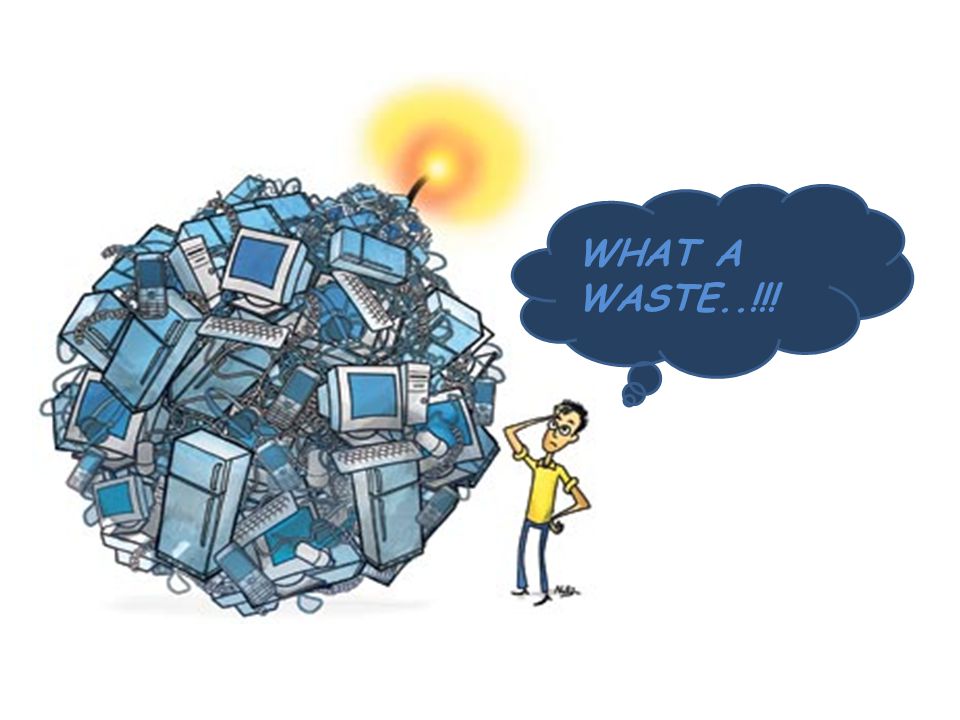
Electronic waste, or e-waste, includes any electronic product or component that a household or office chooses to discard. In Singapore, the National Environment Agency (NEA) oversees regulated e-waste to protect the environment and water, soil, and air. Proper disposal through e-waste collection helps extract valuable metal and reduce hazardous materials. By using recycling bins and e-bins across Singapore, consumers can recycle their e-waste responsibly.
Definition of Electronic Waste
Electronic waste refers to any device, product, or component powered by electricity or a battery that is no longer wanted. This includes old electronics like a phone, laptop, monitor, or wire that a consumer plans to drop or discard. Under regulated consumer schemes, electronic waste must be handled properly to limit toxic substances and ensure safe collection, transport, and recycling across Singapore.
Common Types of E-Waste
Common e-waste categories include small devices, large appliances, information technology products, battery-operated gadgets, and accessories like wire or a monitor. Household and office items such as laptops, phones, printers, and routers are frequent candidates for e-waste collection.
| Category | Examples |
|---|---|
| Information technology products | laptops, phones, printers, routers |
| Accessories | wire, monitor |
Components containing metal and hazardous materials require careful handling. In HDB estates and malls, you can drop off your e-waste in designated e-bins or recycling bins at collection points.
Impact of E-Waste on the Environment
When electronic waste is not handled properly, toxic and hazardous materials can leach into soil and water, harming the environment and public health. Informal disposal increases the cost and risk of handling and prevents efforts to extract reusable metal. Regulated e-waste programs by NEA and ALBA E-Waste Singapore collect, transport, and recycle devices safely, reducing pollution while promoting responsible consumer behavior across Singapore.
Importance of Recycling Electronic Waste
Recycling electronic waste is vital for Singapore’s environment and public health. When consumers recycle their e-waste properly, hazardous materials and toxic substances stay out of soil and water. Regulated e-waste systems enable experts to extract valuable metal and reduce waste handling cost across Singapore, while encouraging responsible disposal.
Benefits of Recycling E-Waste
When you recycle your e-waste, valuable metal and components can be recovered and reused. Properly managed e-waste collection reduces toxic leakage, improves air and water quality, and supports the National Environment Agency’s goals. Recycling bins and e-bins make it free and easy to drop off your e-waste at nearby collection points.
How Recycling Helps Reduce Landfill Waste
E-waste recycling diverts electronic waste from landfill, shrinking the volume of waste that would otherwise burden HDB estates and the environment. Through regulated e-waste schemes, collectors sort each product, extract reusable metal, and safely handle hazardous materials. This reduces disposal needs, conserves space, and prevents leachate that could contaminate soil and water across Singapore.
Economic Benefits of Electronic Recycling
Electronic recycling creates jobs in collection, sorting, and processing, while lowering the cost of raw materials by supplying recovered metal. Businesses and the office sector benefit from regulated consumer programs that streamline disposal and data-safe handling. Reuse of components from old electronics can reduce manufacturing expenses and support a circular economy in Singapore.
How to Recycle Your E-Waste in Singapore

To recycle your e-waste in Singapore, start by understanding the key steps and available services. Here are the essentials to follow:
- Locate approved collection points and prepare each device properly before drop-off.
- Use regulated e-waste services to ensure safe and compliant recycling.
- Use ALBA E-Waste Singapore’s free e-bins and scheduled household pick-ups.
- Follow NEA guidelines to ensure safe handling of hazardous materials and support responsible e-waste management.
Local E-Waste Collection Points
Collection points include e-bins in malls, HDB estates, and selected store locations. ALBA E-Waste Singapore runs official e-waste collection sites where you can drop old electronics, a monitor, or a battery-powered product. Many recycling bins accept small devices, while larger items may require scheduled collection. Check NEA and ALBA E-Waste listings for nearby options.
Steps to Prepare Your E-Waste for Recycling
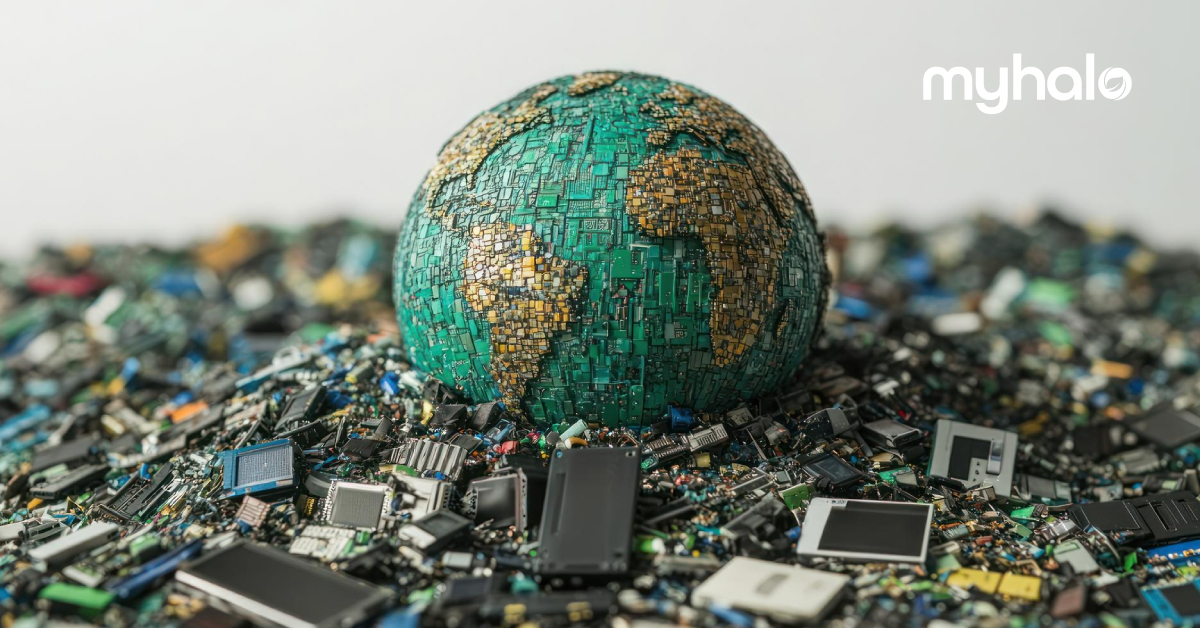
Before you drop off your e-waste, prepare your items carefully to ensure safe and responsible disposal. Follow these steps:
- Back up and wipe data from each device.
- Remove accessories and wires, and separate batteries where possible, placing them in a designated bin.
- Pack fragile electronic components properly to prevent damage during handling.
- Label office equipment and confirm accepted items at the collection points.
- Follow instructions for safe disposal.
Government Initiatives for E-Waste Recycling
Singapore’s National Environment Agency regulates e-waste through producer responsibility schemes and partnerships with ALBA E-Waste. These regulated e-waste programs standardize collection, transport, and processing to protect the environment. NEA guidelines require proper handling of hazardous materials and ensure free access to e-bins for households, helping collect and recycle electronic products across Singapore efficiently.
Best Practices for Electronic Waste Disposal
Best practices for electronic waste disposal in Singapore start with knowing where to drop off your e-waste and how to prepare each device properly. Use regulated e-waste collection points, e-bins, or ALBA E-Waste Singapore services to collect items free of charge. Separate battery components, prevent toxic leaks, and follow National Environment Agency guidelines across Singapore.
Safe Disposal of Hazardous Materials
Handle hazardous materials in electronic waste carefully to protect water, soil, and air. Remove each battery where possible and place it in dedicated recycling bins or e-bins. Do not discard wire or a monitor in regular waste. Use NEA-approved collection points run by ALBA E-Waste to ensure regulated e-waste handling and safe transport of toxic components.
Ways to Reduce E-Waste Generation
Reduce e-waste by repairing old electronics, upgrading components, and choosing durable product designs. Back up and erase data, then donate working devices to extend life. In the office and household, buy only what you need, share chargers and wire, and recycle your e-waste through free collection. This lowers cost, saves metal, and limits disposal across Singapore.
Innovative Technologies in E-Waste Recycling
Recyclers in Singapore deploy advanced sorting, robotics, and hydrometallurgy to extract metal from electronic components properly. Optical systems identify a device or monitor category, while secure data destruction tools protect consumers. Closed-loop processes reduce toxic emissions and water use. ALBA E-Waste Singapore leverages digital tracking to collect items and regulate flows from bin to plant efficiently.
Water and E-Waste Management

Water and e-waste management are closely linked because toxic substances can leach into water if disposal is improper. Regulated e-waste collection in Singapore reduces contamination risks by isolating hazardous materials before processing. NEA policies set standards for handling, cleaning, and storage so each product and battery is treated safely, protecting rivers and reservoirs across Singapore.
Impact of E-Waste on Water Resources
When electronic waste is discarded improperly, leaking battery cells and components release toxic metals into soil that migrate to water. Informal disposal near HDB estates or a store bin not meant for e-waste threatens the environment. Properly managed e-waste collection points prevent runoff and shield reservoirs, supporting the National Environment Agency’s water protection goals.
Best Practices for Water Conservation in E-Waste Recycling
Facilities should adopt closed-loop rinsing, rainwater harvesting, and filtration to reduce water use during handling of a device, wire, or monitor. Segregate hazardous materials at collection to minimize washing steps, and recycle process water where possible. NEA-aligned protocols and ALBA E-Waste Singapore’s regulated e-waste systems help cut waste, cost, and pollution across Singapore.
Future Trends in E-Waste and Water Management
Future trends include dry processing to conserve water, greener leaching agents for metal recovery, and real-time sensors to regulate discharge. Digital chain-of-custody from collection points to plants will improve data transparency. Consumer incentives to drop off your e-waste free at e-bins will scale recycling, protecting the environment and water resources throughout Singapore.