
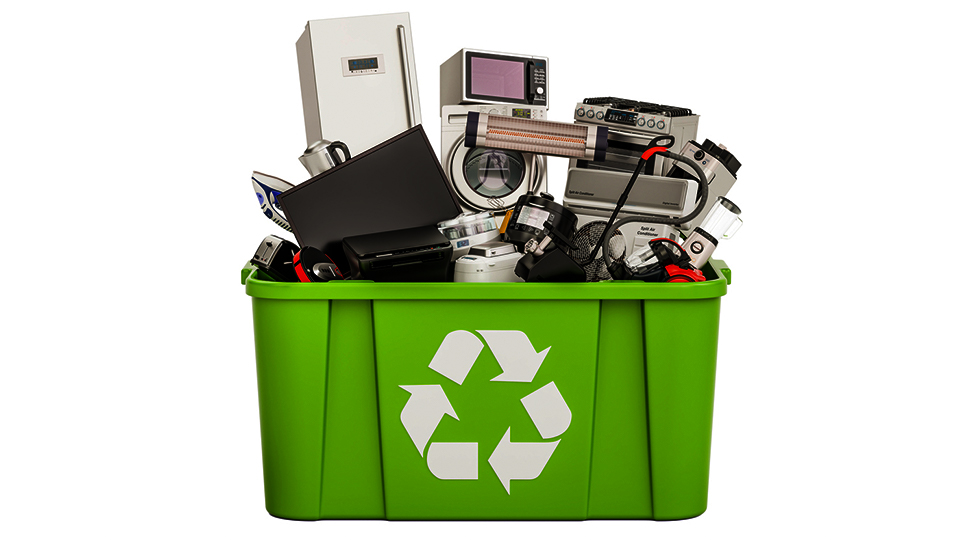
In today’s rapidly advancing technological landscape, we are constantly upgrading our devices, leading to a growing mountain of electronic waste. Discarding old electronics in the trash is not only wasteful but also poses significant environmental hazards. This article explores ten compelling reasons why it is crucial to Recycle electronics and manage e-waste responsibly to reduce the impact of toxic electronic parts on our environment..
Understanding E-Waste and Its Impact
What is E-Waste?
E-waste, short for electronic waste, encompasses discarded electronic devices, ranging from old cell phones and laptops to tablets and circuit boards. As our consumption of electronic products rises, so does the volume of e-waste. Many people throw away electronics into the trash, unaware of the environmental consequences of such disposal practices. This necessitates electronics recycling.
The Growing Problem of Old Electronics
The proliferation of electronic devices, coupled with shorter product lifecycles, exacerbates the problem of old electronics. As consumers upgrade to the latest smartphones and laptops, their old electronics often end up forgotten in drawers or, worse, in landfills. The average lifespan of a laptop is shrinking, contributing to the million metric tons of e-waste problem. To curb this, one can donate their device.
Environmental Impact of E-Waste
E-waste disposal poses severe environmental risks due to the presence of hazardous materials in electronic devices. Mercury, cadmium, and other metals found in circuit boards and screens can leach into the soil and water, contaminating ecosystems and posing health risks to humans and wildlife. Incinerators used for waste disposal release toxic fumes into the atmosphere, further compounding the environmental damage. It is important to properly recycle electronics.
Top 10 Reasons to Recycle Electronics
1. Reducing Landfill Waste
One of the key reasons to recycle electronics is to minimize the amount of electronic waste ending up in landfills. When we throw away old electronics, these devices take up valuable space and can leach harmful substances into the ground. Electronics recycling diverts these items, making more room and saving the resting place of these electronic devices from becoming a toxic old waste site.
2. Conserving Precious Metals
Electronic devices contain valuable precious metals like gold, silver, and platinum. By engaging in Through electronics recycling, we can recover these precious metals and reuse them as valuable assets instead of letting toxic electronic parts accumulate. In new electronic products, we can see a trend towards sustainability and the upcycle of materials. This reduces the need for mining new materials, conserving resources and reducing environmental impact.
3. Minimizing Water Pollution
Improper e-waste disposal can lead to water pollution as hazardous materials like mercury and cadmium leach into water sources. Recycling electronics helps to contain these substances, preventing contamination and protecting aquatic ecosystems. Recycling e-waste is vital for environmental protection.
4. Lowering Greenhouse Gas Emissions
The manufacturing of new electronic products requires significant energy, contributing to greenhouse gas emissions and increasing the percent of e-waste generated. When you recycle your electronics, you can reduce the demand for new products, thereby lowering overall emissions. The Environmental Protection Agency (EPA) promotes recycling electronics to reduce this phenomenon.
5. Protecting Human Health
E-waste contains harmful substances that can pose risks to human health if not managed responsibly. Recycling electronics ensures that these materials are handled safely, preventing exposure to toxic chemicals. It’s important to properly recycle electronics.
6. Supporting E-Waste Recycling Programs
By participating in e-waste recycling programs, you are supporting the development and expansion of recycling infrastructure. Your actions encourage investment in better recycling technologies and create recycling jobs. You can also donate your old devices to support recycling e-waste.
7. Recovering Valuable Resources
Electronics recycling allows for the recovery of valuable resources, including plastics, glass, and metals, while also addressing the issue of toxic old electronics.. These materials, including electronic components, can be processed and reused in new products, reducing the need for raw material extraction. This is a good means to safely recycle these products.
8. Encouraging a Circular Economy
Recycling electronics promotes a circular economy where resources are reused and repurposed, rather than discarded after a single use. This approach reduces waste, conserves resources, and promotes a sustainable lifestyle. It is important to consider recycling your electronic devices.
9. Exporting Recycled Materials Responsibly
Some e-waste is exported to developing countries for processing. Responsible electronics recycling ensures that these exports are handled in an environmentally sound manner, preventing harm to workers and the environment. It is better to recycle or repair.
10. Promoting Sustainable Practices
When you recycle your electronic devices, you can promote corporate sustainable practices. Your decision to recycle electronics sends a message to manufacturers and retailers, encouraging them to design products that are easier to recycle and reuse. Consider electronics properly to promote a sustainable environment.
How to Recycle Old Electronics
Steps for Responsible Recycling
When considering how to recycle electronics responsibly, start by assessing your device and exploring potential trade-in options. Determine if the old electronics are still functional or if they are toxic old devices that need special handling. Depending on the outcome of your assessment, you can proceed as follows:
- If so, consider donating it to a local charity or school.
- If not, wipe any personal data from the phone, laptop, or tablet to protect your privacy.
Next, gather all your old electronics for efficient electronics recycling and consider ways to upcycle them.
Where to Recycle Electronics
Finding a Finding a reliable place to recycle electronics in Singapore can help ensure proper disposal and environmental protection. is crucial. Many electronics stores, such as Best Buy, offer free electronics recycling programs for cell phones and other electronic devices. Check with your local municipality or waste management services for e-waste recycling drop-off events or permanent collection sites. Additionally, some electronics recyclers specialize in responsibly recycling e-waste, ensuring environmental protection.
Recycle or Repair: Making the Right Choice
Before deciding whether to recycle or repair, evaluate the device’s condition and the cost of repair. If the average lifespan of a laptop has passed and the repair cost is high, recycling may be the better option to prevent adding to the million metric tons of e-waste. However, if the device is relatively new and the repair is affordable, repairing it can extend its life and reduce e-waste. This decision helps reduce the amount of e-waste.
The Role of Individuals and Communities
Community Initiatives for E-Waste Recycling
Community initiatives play a significant role in promoting e-waste recycling and encouraging people to trade in their old electronics.. Organize or participate in local e-waste recycling events to collect old electronics from residents. Partner with electronics recyclers to ensure proper e-waste disposal and data security while also exploring trade-in options. These efforts raise awareness and make it easier for individuals to recycle their electronics responsibly and help save electronic devices from the landfill.
Educating Others About Electronics Recycling
Educating others about the importance of electronics recycling is essential. Share information about the environmental impact of improper e-waste disposal and the benefits of recycling electronics. Encourage friends, family, and colleagues to recycle their electronic devices and support electronics recycling programs. Knowledge is power, and informed consumers make better choices about recycling and how to recycle electronics.
The Future of E-Waste Management
The future of e-waste management requires innovative solutions and global cooperation. Investing in advanced recycling technologies, promoting extended producer responsibility, and enforcing zero waste policies can greatly help. stricter regulations on e-waste disposal are crucial steps. As technology evolves, so must our approach to e-waste management to ensure a sustainable and environmentally sound future. The Environmental Protection Agency (EPA) must promote new means to safely recycle electronic waste in the U.S.